
Blog
Krislee Electric LLC

Thanksgiving today is a warm, cozy holiday filled with good food, family, and football. But imagine trying to pull off your Turkey Day traditions without electricity—no oven, no lights, no parade on TV, no fridge full of leftovers! Electricity plays a huge part in how we celebrate Thanksgiving now, and it’s easy to forget that it wasn’t always this way. Let’s take a little journey through history to see how far we’ve come—and how power has changed the way we celebrate the season. 🕯️ Before the Flip of a Switch: Thanksgiving in the 1800s When Abraham Lincoln declared Thanksgiving a national holiday in 1863, most homes relied on oil lamps, wood stoves, and hand-powered kitchen tools. Cooking a full Thanksgiving meal meant: Chopping wood for fuel Baking pies in cast iron ovens Storing perishables in iceboxes, not refrigerators Lighting the dinner table with candles or gas lanterns There were no electric carving knives, no slow cookers, and certainly no "smart ovens." ⚡ The Spark of Modern Comfort: Electricity Enters the Scene Electric power began lighting up American homes in the late 1800s, but it wasn’t until the 1920s–30s that electricity started becoming more common in middle-class homes—just in time to revolutionize the Thanksgiving experience. Electric ovens made cooking faster and more precise Refrigerators extended food storage Electric lighting meant more family and guests could gather late into the evening Radios and, later, televisions brought entertainment to the holiday table Fun Fact: The first Macy’s Thanksgiving Day Parade with a television broadcast aired in 1948—and it’s been a Thanksgiving staple ever since! 🦃 Thanksgiving in the Age of Smart Homes Fast forward to today, and we’re cooking turkeys with Wi-Fi ovens, setting timers with smart speakers, and managing the entire meal with a phone app. Modern Thanksgiving might include: Programmable smart thermostats to keep guests comfortable LED holiday lights that save energy and reduce fire risk Backup generators ensuring nothing interrupts the big meal EV chargers for guests arriving in electric vehicles Watching the game in 4K while the robot vacuum cleans up crumbs 💡 We’re Thankful for Progress—and for You We’re grateful for the modern power that keeps our homes safe, warm, and full of life—especially around the holidays. And we’re even more thankful for the customers and community who trust us to keep that power flowing year-round. Whether you're upgrading your kitchen, installing smart devices, or making sure your panel is ready for holiday guests, we’re here to help. Contact us for a pre-holiday electrical inspection or service—so your Thanksgiving can be powered by peace of mind. Wishing you a bright, warm, and happy Thanksgiving from all of us at KrisLee Electric! 🦃

Halloween is a time for glowing jack-o’-lanterns, spooky decorations, and front yards lit up like haunted houses. But with all the extra lights, extension cords, and power-hungry props, it’s also a time when electrical safety is more important than ever. At KrisLee Electric, we want to make sure your Halloween is all treats—no shocks or fire hazards. Here are a few Halloween electrical safety tips to keep your home safe while staying festive: 🎃 Use Outdoor-Rated Decorations and Cords Not all Halloween decorations are built the same! If you're plugging in lights or inflatables outside, make sure: They’re labeled for outdoor use Cords and plugs are weather-resistant Outlets are GFCI-protected to prevent shock 💡 *Tip: Don’t run cords through doors or windows—they can pinch and damage the wires.* 👻 Avoid Overloading Circuits It’s tempting to go all out with lights, sound effects, and fog machines—but too much on one circuit can trip breakers or start a fire. Use multiple circuits if possible Don’t daisy-chain extension cords Use smart plugs or timers to manage loads ⚠️ If you notice flickering lights or warm outlets, it’s time to unplug something! 🕯️ Switch from Candles to LEDs Open flames in jack-o’-lanterns and along walkways look cool but come with serious fire risk—especially around costumes and dry leaves, opt for: Battery-powered LED candles Solar pathway lights LED string lights for a spooky but safe glow 🔥 Bonus: LEDs use less energy and last longer, too! 🧛 Keep Walkways Clear and Cords Taped Down Trick-or-treaters may not see cords in the dark. Prevent trips and falls by: Using cord covers or heavy-duty tape Running cords along the edges of walkways, not across them Keeping decorations out of the main walking path 🎃 Test Your Smoke Detectors and Outlets With extra electricity running through your home, make sure: Smoke and CO detectors have fresh batteries Outdoor outlets are properly sealed Extension cords are free of frays or damage 🛠️ Need an outlet upgrade or GFCI repair before the big night? We’re just a call away. Stay Safe and Spooky! 👷♂️⚡ We love Halloween as much as you do—but we take electrical safety seriously. If you need help getting your home Halloween-ready or want an inspection before the holiday season, we’re here to help. You can check out these other spooktacular safety tips to help you have a Boo-itful Halloween, Schedule a fall electrical checkup today and enjoy a worry-free Halloween!

If you've ever bought or lived in an older home, chances are you’ve heard of knob-and-tube wiring. This vintage electrical system was standard in homes built from the 1880s through the 1940s—and while it was innovative in its day, it raises some serious concerns today. So, what exactly is knob-and-tube wiring, and is it something you should be worried about? Let’s break it down. ⚙️ What Is Knob-and-Tube Wiring? Knob-and-tube (often abbreviated as K&T) is a method of electrical wiring that uses ceramic knobs to hold wires in place and ceramic tubes to guide them through wooden beams. Unlike modern wiring, it has: No grounding wire Separate hot and neutral wires, run individually Cloth or rubber insulation (which can deteriorate over time) While it worked well for the lower electrical demands of early 20th-century homes, it wasn’t designed for today’s energy-hungry appliances or safety standards. 🚩 Why Knob-and-Tube Wiring Is a Concern Many homeowners ask us: “Is knob-and-tube wiring dangerous?” The answer? It can be. Here’s why: No Ground Wire Modern wiring includes a ground wire for safety. K&T lacks this, which increases the risk of shocks and fire—especially when used with today’s electronics. Insulation Breakdown The cloth insulation used in knob-and-tube systems becomes brittle over time, exposing live wires that can arc or overheat. Modified or Improperly Repaired Wiring Many homes with K&T have had "DIY fixes" over the years—mixing old wiring with modern components. These mismatched setups often violate code and pose safety hazards. Overloading the System Homes built with K&T were never designed to handle the load of modern HVAC systems, microwaves, EV chargers, or multiple electronics. 🏡 Can You Sell or Insure a Home with Knob-and-Tube Wiring? Many insurance companies are reluctant—or outright refuse—to insure homes with active knob-and-tube wiring. Even if you find coverage, expect higher premiums. Some mortgage lenders may also deny loans until the wiring is updated. If you’re selling a home, outdated wiring could be a deal-breaker for buyers. 🔧 What Should You Do if You Have Knob-and-Tube Wiring? If your home has knob-and-tube wiring, here are your options: ✅ Schedule a professional inspection – to assess condition, safety, and potential upgrades ✅ Consider a full or partial rewire – especially in high-use areas like kitchens and bathrooms ✅ Avoid insulating over it – it needs space to release heat, and insulation can become a fire hazard ✅ Don’t plug modern high-wattage devices into older outlets – they may not be safe or up to code ⚡ Ready to Upgrade? We Can Help. At KrisLee Electric, we specialize in evaluating and replacing knob-and-tube wiring with modern, safe, and code-compliant electrical systems. Whether you’re renovating, buying, or selling an older home, we’ll guide you every step of the way. 📞 Contact us today for a professional inspection or estimate—because when it comes to electrical safety, what you don’t see can hurt you.

Storm season is no joke—high winds, lightning, heavy rain, and power outages can do serious damage to your home’s electrical system. But with a little preparation and help from the pros, you can protect your home, your appliances, and your family’s safety. Here’s how to get your electrical system storm-ready: Install Whole-Home Surge Protection Lightning strikes and power fluctuations during storms can send dangerous surges through your electrical system. These spikes can damage: TVs and computers Refrigerators and HVAC systems Smart home devices 🔌 A whole-home surge protector installed at your electrical panel adds a crucial layer of defense, reducing the risk of expensive damage. Secure and Inspect Your Outdoor Electrical Components Storms bring wind and water—two things you don’t want messing with your electrical setup. Be sure to: Check that your outdoor outlets are GFCI-protected and weather-sealed Inspect exterior wiring, conduits, and boxes for damage or wear Secure loose electrical fixtures, lights, and wiring to prevent them from becoming storm debris 💧 Water + electricity = danger. Keeping everything sealed and elevated helps prevent shorts and shock risks. Consider a Backup Generator When the power goes out, a backup generator can keep the essentials running—lights, refrigerator, medical equipment, even your Wi-Fi. There are two main types: Portable generators – good for short outages, but must be operated outside with proper ventilation. Whole-home standby generators – kick on automatically and power large portions of your home. We install stand by generators! Read this blog about investing in a standby generator. ⚠️ Generators must be installed with proper transfer switches to prevent backfeeding into the grid—a serious safety hazard. Know Your Electrical Panel Your breaker panel is the heart of your home’s electrical system. In a storm: Know how to safely shut off power if needed Ensure all breakers are clearly labeled Have the panel inspected if it’s older or frequently tripping 🛠️ A storm is not the time to discover you’ve got an outdated or undersized panel. Schedule a Professional Electrical Inspection Before the storm season ramps up, have a licensed electrician inspect your: Panel and grounding system Surge protection setup Outdoor connections and GFCIs Backup power sources A proactive check-up can prevent dangerous surprises during severe weather. Stay Safe, Stay Powered 🌧️ Storms are unpredictable—but your electrical system doesn’t have to be. At KrisLee Electric, we help homeowners prepare for whatever Mother Nature throws their way. 📅 Book your storm prep inspection today and protect what matters most.

Summer is a season of sunshine, outdoor fun, and increased energy usage. From backyard barbecues to pool parties, your electrical system works overtime this time of year. That’s why electrical safety should be a top priority as temperatures—and power demands—start to rise. Here are our Top 5 Summer Electrical Safety Tips to help keep your home safe and powered all season long: Keep Outdoor Outlets and Cords Dry Summer often means more outdoor activity—and more outdoor power use. Whether you're plugging in lights, tools, or entertainment equipment, make sure: Outlets are GFCI-protected Cords and plugs are rated for outdoor use Everything stays dry and away from puddles or sprinkler spray 🔌 Tip: Invest in weatherproof outlet covers to stay protected even when outlets are in use. Don’t Overload Circuits or Extension Cords Plugging in fans, AC units, and more devices can quickly overload a single outlet or power strip. This can cause overheating, tripped breakers, or even fires. 🔥 Tip: Spread out your electrical load, and never daisy-chain extension cords. Watch for Heat-Related Electrical Warning Signs When temps go up, so does stress on your system. Be on the lookout for: Flickering lights Warm or discolored outlets Frequent breaker trips Unusual buzzing or smells from electrical panels If you notice any of these, it’s time to call a licensed electrician. Pool and Hot Tub Safety First Water and electricity are a dangerous mix. If you have a pool, spa, or hot tub: Make sure all wiring is up to code Equipment is installed by a professional Outdoor breakers and switches are GFCI protected 💧 Tip: Schedule an annual electrical inspection for your pool or hot tub setup—especially if it’s older. Prepare for Summer Storms and Power Surges 🌩️ Summer storms can knock out power or cause damaging surges. Protect your home by: Installing whole-home surge protection Using surge protectors on sensitive electronics Having a backup generator if you live in an area prone to outages Check out our blog that explains what a power surge is and how you can prevent one in your home.
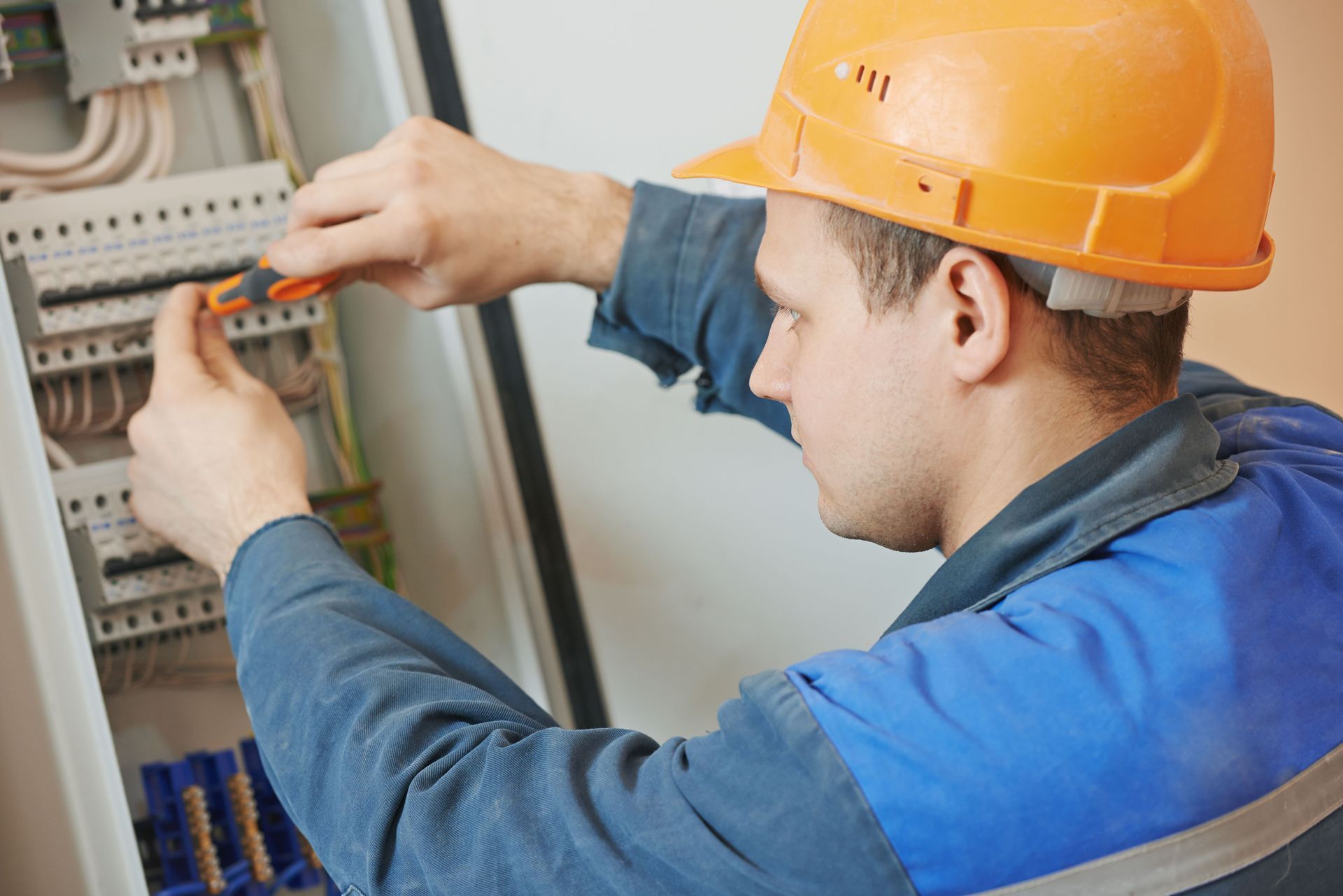
Summer is here—and so are rising temps, longer days, and heavier use of electricity around the home and workplace. Whether it’s cranking up the AC, plugging in outdoor lights, or running tools and equipment for seasonal projects, June is the perfect time to make sure your electrical system is ready for the summer load. At KrisLee Electric, we want to help you stay cool, safe, and energy-efficient all season long. Here are a few things to keep in mind this month: Test and Tune Your AC System Before summer heat hits full force, make sure your air conditioner is wired properly and running on a dedicated circuit. An overloaded circuit can trip breakers—or worse, cause damage or fire hazards. Check Outdoor Outlets and Lighting Using outdoor equipment, string lights, or pool accessories? Make sure all exterior outlets are: Ground Fault Circuit Interrupter (GFCI) protected Covered with weatherproof enclosures Free from wear, damage, or corrosion Don't Overload Extension Cords With more activities moving outdoors—grills, fans, lawn tools, you name it—resist the temptation to daisy-chain extension cords. They’re meant for temporary use and can become serious fire hazards when overloaded. Plan for Summer Projects the Smart Way Thinking of installing a hot tub, EV charger, or outdoor kitchen? Don’t wait until you're halfway through—involve an electrician early to ensure everything’s up to code and safely installed. Schedule an Electrical Safety Check June is a great time for a mid-year inspection—especially if your home is older or you’ve recently added appliances or technology. Need a Hand? We’re Just a Call Away! From routine maintenance to full system upgrades, our licensed electricians are here to help you power through summer—safely and efficiently. 📅 Book your June service today and beat the summer rush!

⚡ May is Electrical Safety Month – Let the Pros Help Keep You Safe! 🔧🔌 As a licensed electrical contractor, we know better than anyone just how powerful—and potentially dangerous—electricity can be when it's not handled correctly. That’s why Electrical Safety Month every May is more than just a reminder—it’s a call to action for homeowners and businesses alike to take electrical hazards seriously. Why Electrical Safety Matters Each year, electrical issues lead to thousands of home fires, injuries, and even fatalities. Many of these accidents are preventable with regular inspections, proper upgrades, and safe usage habits. That’s where we come in. Our team is dedicated not only to powering your property, but doing it safely, efficiently, and to code. Common Hazards We See on the Job From outdated panels to overloaded outlets, here are a few red flags we encounter all too often: 🧯 Old or faulty wiring that can’t keep up with modern energy demands ⚠️ Improper DIY installations that violate code and risk safety 🔌 Overloaded circuits in homes using power strips as permanent solutions 💧 Electrical setups too close to water—especially in kitchens and bathrooms 🔥 No GFCIs where they’re needed most Our Top Safety Tips Don’t DIY electrical work – Leave it to trained, licensed professionals ( like us! ) Schedule regular inspections – Especially if your home is 20+ years old Replace worn or damaged cords and outlets Install surge protection and GFCIs in key areas Upgrade your panel if you’re adding major appliances or smart systems How We Can Help As your trusted local electrical contractor, we offer: ✅ Electrical safety inspections ✅ Panel upgrades and code corrections ✅ GFCI and AFCI installation ✅ Smart home integrations ✅ Safe troubleshooting and repairs Don’t wait for a spark to turn into a fire. Let us help you make your home or business safe, efficient, and up to date. 👉 Contact us today to schedule your electrical safety check!

What is the Most Expensive Type of Device to Power? What is the Cheapest Type of Device to Power? When it comes to powering devices in your home, not all electronics are created equal. Some use a lot more energy than others, leading to higher electricity bills. Understanding which devices are the most and least expensive to power can help you make smarter choices when it comes to managing your energy consumption. So, what are the most and least energy-hungry devices in the typical household? Let's break it down. The Most Expensive Types of Devices to Power The cost of powering a device depends on its energy consumption, which is usually measured in watts or kilowatts per hour (kWh). High-powered devices, or those that run for long periods, tend to be the most expensive to operate. Air Conditioners and Heaters One of the biggest contributors to high energy bills in the summer and winter months is your heating and cooling system. Air conditioners (especially central air conditioning) and space heaters can consume a lot of electricity, making them some of the most expensive devices to power. • Air Conditioners: Central air conditioning systems, in particular, use a large amount of electricity. A typical central AC system can use anywhere from 2,000 to 5,000 watts per hour (depending on its size and efficiency). If you use air conditioning frequently during the summer months, this can add a significant amount to your monthly electricity bill. • Electric Heaters: Electric space heaters are another high-consumption device, especially when used for long periods. On average, an electric heater uses around 1,500 watts per hour, and depending on how often it's running, this can really rack up costs over the winter. Water Heaters Water heaters are essential for daily activities like showering, doing dishes, and washing clothes. Unfortunately, they also consume a lot of energy, making them one of the most expensive household appliances to run. • Traditional Water Heaters: Standard water heaters with a tank can use 3,000 to 4,500 watts per hour, depending on the model and the temperature settings. Because water heaters work constantly to maintain the desired temperature, they can be very energy-intensive, especially in larger households. • Tankless Water Heaters: While tankless water heaters are more energy-efficient than traditional models (since they only heat water when needed), they can still consume a lot of electricity when in use, especially for households with high water usage. Clothes Dryers Clothes dryers are another household appliance that uses a significant amount of energy, especially if used frequently or for long drying cycles. A typical electric clothes dryer uses between 2,000 and 6,000 watts per load. The higher the wattage, the more energy it consumes, resulting in a higher cost to run. In addition to their high energy consumption, dryers often run for extended periods, which increases the overall energy use. Air drying clothes, though not as convenient, is a more energy-efficient alternative. Refrigerators While refrigerators don’t use as much energy as some other devices on this list, they are still a constant drain because they run 24/7. Older, less efficient refrigerators tend to consume more energy, whereas newer, Energy Star-rated models are more efficient. • Typical Refrigerators: A standard refrigerator uses between 100 and 800 kWh per year, depending on its size, age, and energy efficiency. While the energy consumption may seem low per hour, the continuous operation adds up over time. Ovens and Stoves Electric ovens and stovetops can also eat up a significant amount of energy, especially when used frequently for long periods. An electric oven can use anywhere from 1,000 to 5,000 watts per hour, depending on the heat setting and duration of use. Gas-powered stoves are more efficient in terms of energy use, but they still contribute to energy bills, especially if you're cooking for long periods of time each day. The Cheapest Types of Devices to Power Now that we know which devices are the most expensive to run, let’s look at the devices that use the least energy and cost the least to operate. While these devices may not be as flashy or essential as a refrigerator or air conditioner, they still play an important role in day-to-day life—and they won’t break the bank in terms of energy costs. LED Light Bulbs LED light bulbs are hands-down the cheapest and most energy-efficient devices to power in your home. They use a fraction of the electricity compared to traditional incandescent bulbs, which are notorious for wasting energy. • Energy Consumption: A typical LED bulb uses only 8-12 watts of power, while an incandescent bulb of similar brightness uses about 60 watts. This means LED bulbs can save you up to 80% on lighting costs. Additionally, LEDs last much longer than traditional bulbs, further reducing the need for replacements. LED bulbs are the most cost-effective way to light your home, and you can significantly reduce your electricity bill just by switching out older bulbs for newer, more efficient ones. Smart Thermostats While heating and cooling systems tend to consume a lot of power, smart thermostats can help reduce these costs by optimizing your energy usage. Smart thermostats learn your habits, adjust the temperature when you’re not home, and ensure that your heating and cooling systems aren’t running unnecessarily. • Energy Efficiency: By allowing for better control over the heating and cooling of your home, smart thermostats can save you up to 10-15% on your energy bill, depending on usage patterns. While the thermostat itself doesn’t consume much energy (usually just a few watts), it can help you significantly lower your overall heating and cooling costs, making it one of the more affordable devices to run in the long term. Laptops and Tablets Compared to desktop computers, laptops and tablets are far more energy-efficient. On average, a laptop consumes between 15 to 60 watts per hour, depending on the model, screen brightness, and how much processing power it requires. This is much less than a typical desktop computer, which can consume between 200 to 500 watts per hour. • Tablets: Even more energy-efficient than laptops, tablets generally use only around 5 to 15 watts per hour. If you’re looking to save on electricity, swapping out your desktop for a laptop or tablet can make a noticeable difference. Electric Fans Electric fans use minimal power compared to other devices like air conditioners or space heaters. On average, a typical fan consumes around 75 to 100 watts per hour. Fans work by circulating air to create a cooling effect, and they can be a great alternative to air conditioning during milder temperatures. Fans are especially useful in the spring and fall when the weather is not too extreme, and they can help lower your overall cooling costs by offering an energy-efficient way to stay comfortable. Smart Plugs Smart plugs themselves don’t consume a significant amount of energy (typically around 1-2 watts), but they can help you save money by allowing you to control when and how devices use energy. By scheduling devices to turn off when not in use, smart plugs can help you reduce the power usage of electronics that would otherwise run unnecessarily. When it comes to energy use, some devices are inherently more power-hungry than others. Air conditioners, water heaters, and dryers are some of the most expensive devices to run, while LED light bulbs, laptops, and electric fans are some of the cheapest. Understanding which devices use the most and least energy can help you make more informed decisions about how to reduce your electricity consumption and lower your energy bills. By making small adjustments—like swapping out old light bulbs, upgrading to energy-efficient appliances, and using smart technology to control your home’s temperature—you can keep your home running efficiently without sacrificing comfort or convenience. Being mindful of your energy use not only benefits your wallet but also contributes to a more sustainable and eco-friendly lifestyle.


Share On: