

Flickering Lights?
7016309225 • December 17, 2025
💡 Flickering Lights? Here’s What It Could Mean
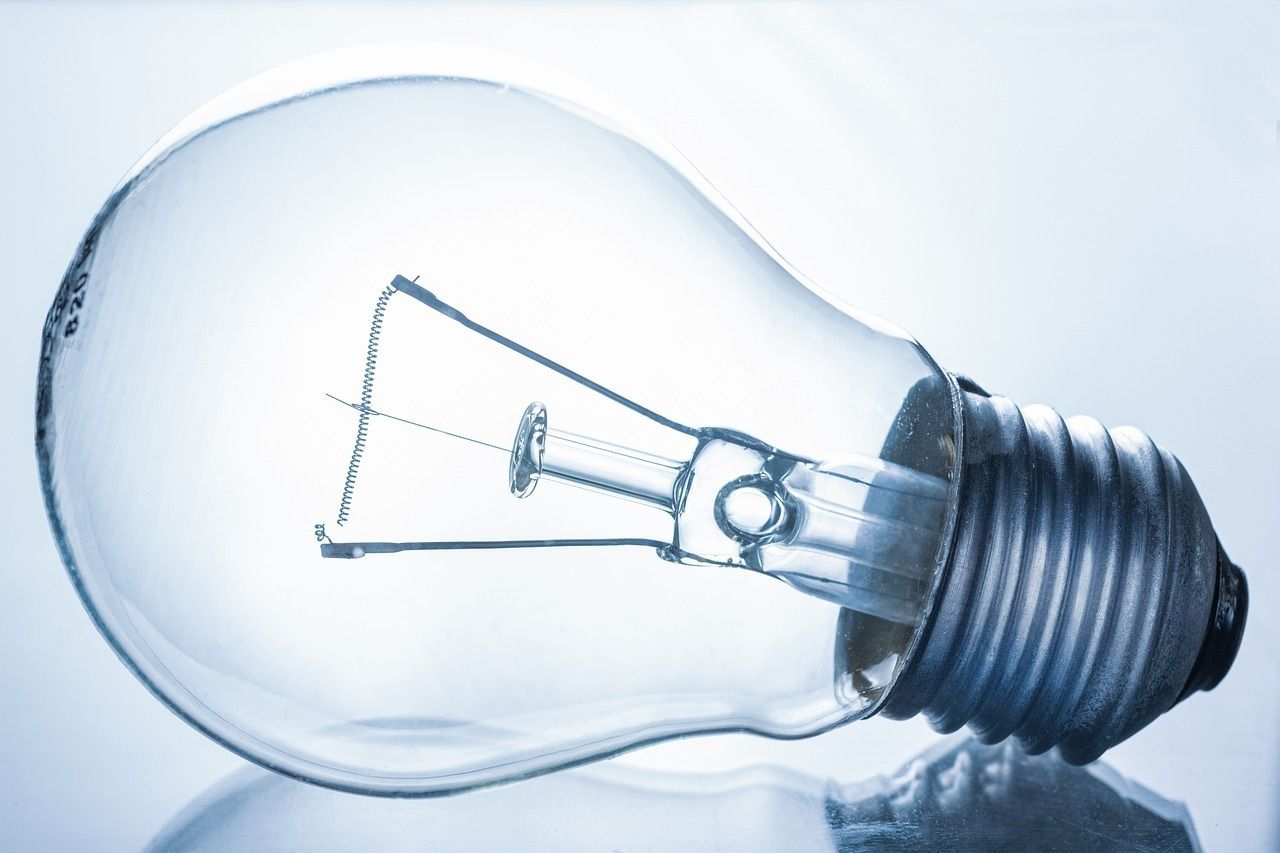
Noticing your lights flickering lately? Whether it's just a quick blink or a persistent issue, flickering lights aren't something to ignore. While some causes are harmless, others can be a sign of a much bigger electrical problem lurking behind your walls.
We believe in addressing electrical issues early—before they turn into safety hazards. Here’s what flickering lights could mean, and when it’s time to call in a professional:
⚠️ Loose or Faulty Bulbs
Let’s start simple. Sometimes, flickering is just a matter of:
- A loose bulb in the socket
- An incompatible bulb, especially with dimmer switches
- A bad connection between the bulb and socket contacts
🛠️ Try turning the bulb off, tightening it, or replacing it with a fresh one. If the problem stops—great! If not, keep reading.
⚡Overloaded Circuits
Do your lights dim or flicker when you run the microwave, HVAC system, or vacuum cleaner? This could mean:
- A circuit is overloaded and struggling to supply enough power
- Your electrical panel may be undersized or outdated for your current energy needs
⚡ Solution: An electrician can evaluate your system and recommend upgrades, such as a panel replacement or circuit expansion.
🔌Faulty Switches or Loose Wiring
Flickering in a single fixture—especially when touched or adjusted—may point to:
- A loose connection in the light switch
- Frayed or deteriorating wires behind the wall
- A faulty fixture that’s wearing out
🔥 Loose wires can generate heat and even lead to electrical fires—don’t delay an inspection if this sounds familiar.
🏡 Whole-House Flickering
Lights flickering throughout your home? This could signal:
- Issues with your electrical panel or main service line
- A failing main breaker
- Problems with the utility company’s supply line
This is a more serious issue that requires a licensed electrician’s immediate attention.
⚠️ Never ignore widespread flickering—it’s often a sign of a potentially dangerous voltage problem.
🌩️Power Grid Fluctuations or Storm Impact
Sometimes flickering comes from outside your home. Storms, power line damage, or utility equipment issues can all cause fluctuations in your service. We have a blog about how to set your house up for stormy weather. Check it out here!
While these may resolve on their own, frequent or prolonged issues should still be evaluated to protect sensitive electronics and ensure safety.
🧑🔧 When to Call a Pro
If flickering lights happen often, are unpredictable, or are accompanied by:
- Burning smells
- Buzzing from outlets or panels
- Warm switches or outlets
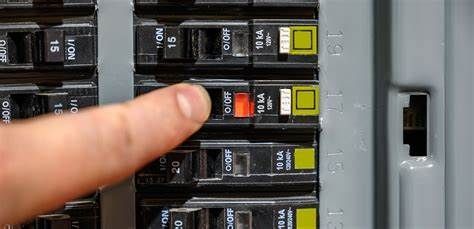
- Tripping breakers
👉 It’s time to call
a licensed electrician.
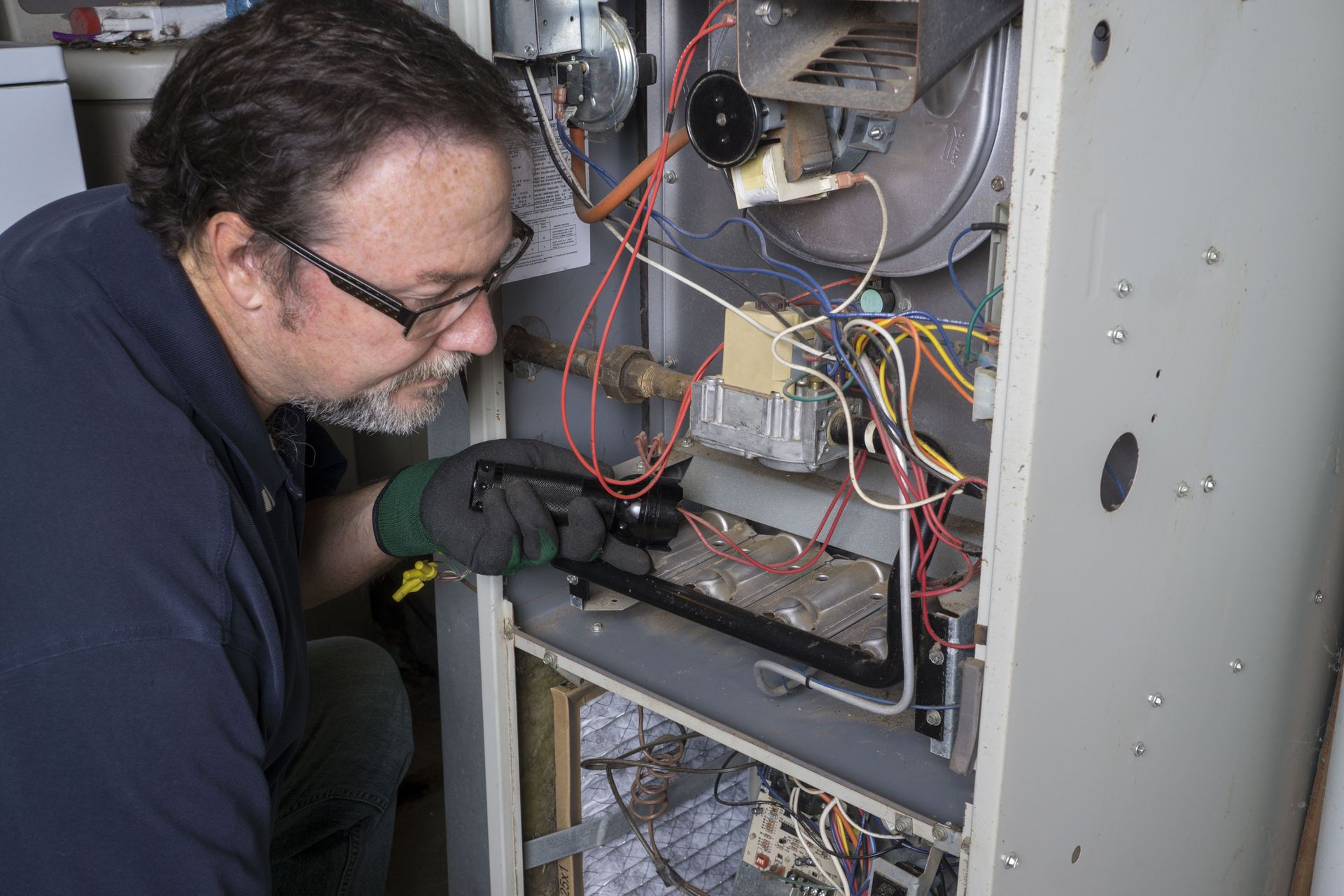
Wondering what commercial electricians can do for you and your home? Check out this guide and call today for more information!
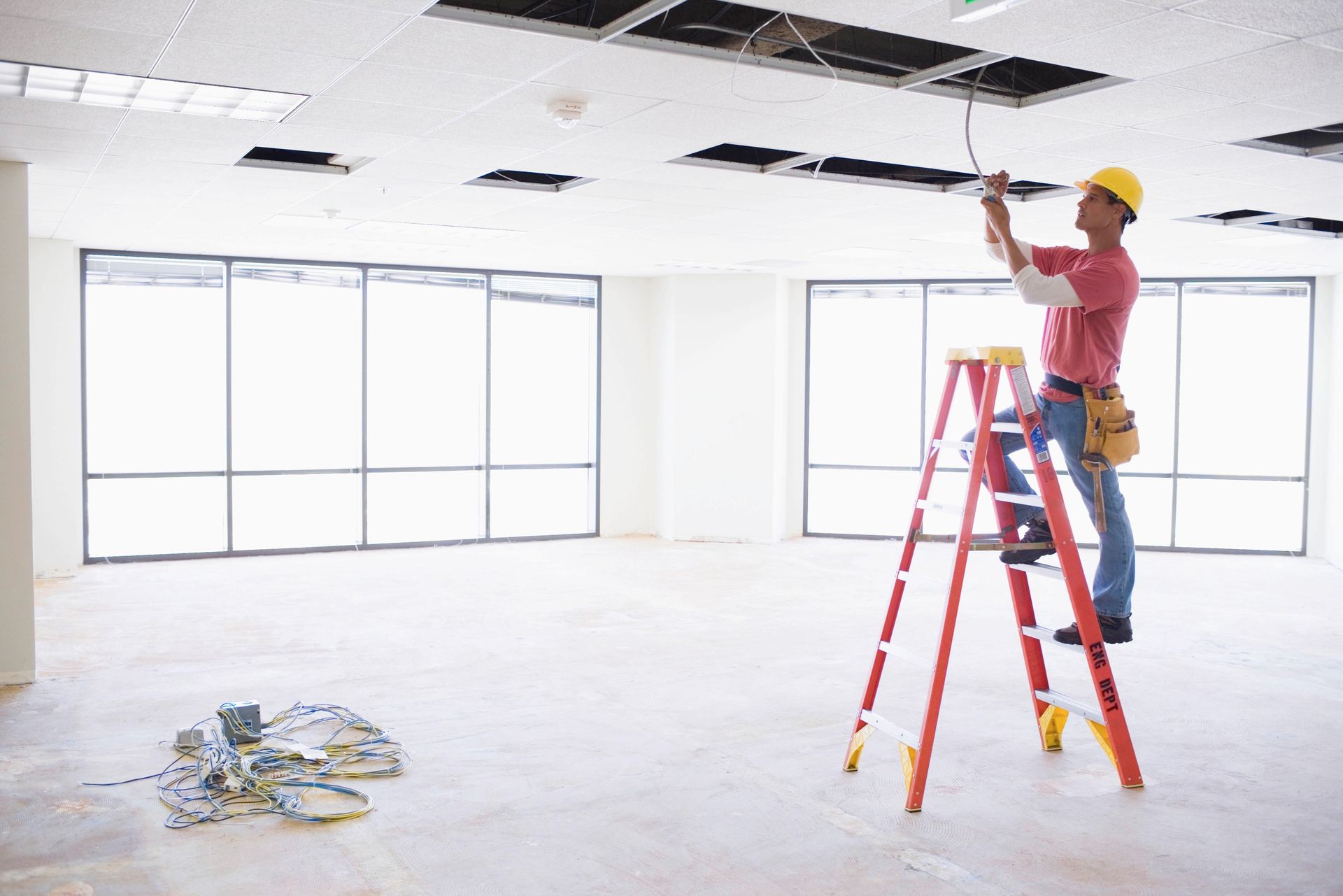
This blog post explores how electricians contribute to new construction projects at every stage and why their early involvement matters.
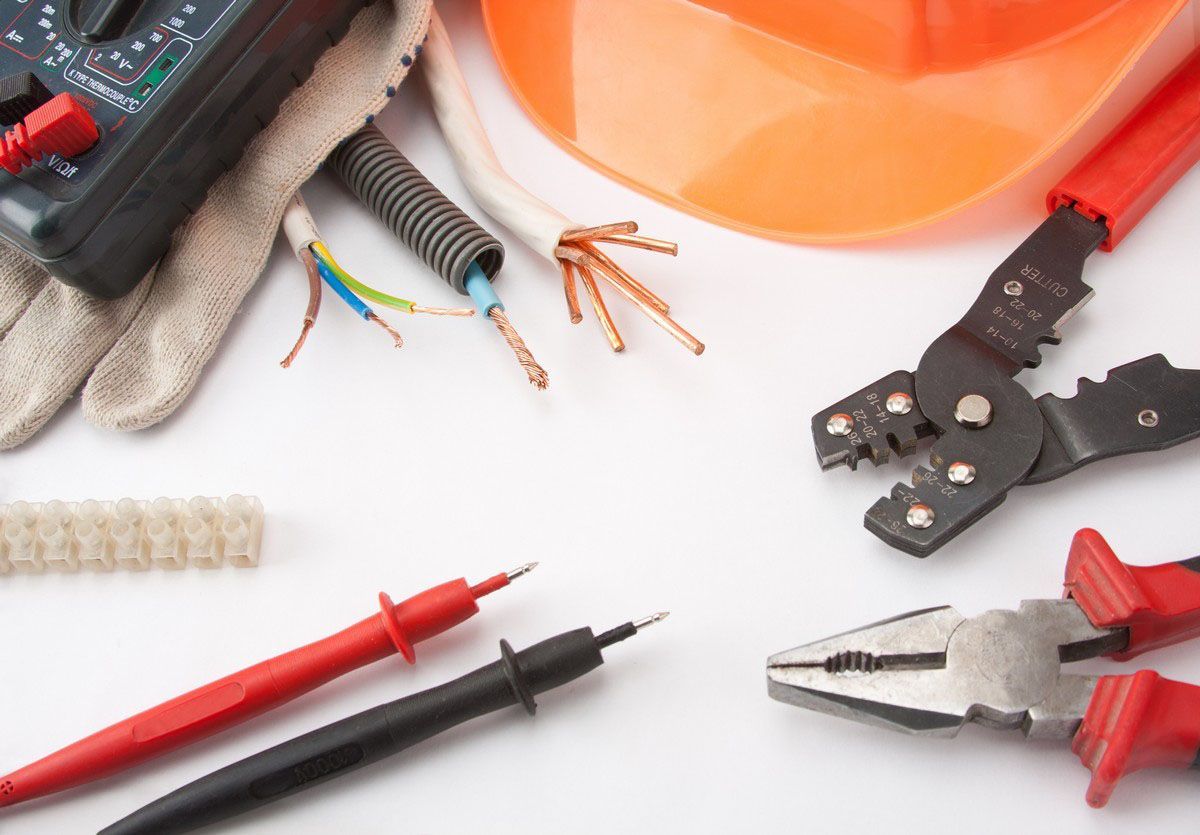
Learn the top warning signs that your property needs electrical repair, from tripping breakers to flickering lights. Call a licensed electrician to book today!
Share On: