

History of Electrical Breakers
7016309225 • January 17, 2026
⚡ A Brief History of Electrical Breakers: How They Changed the Way We Power Our Lives
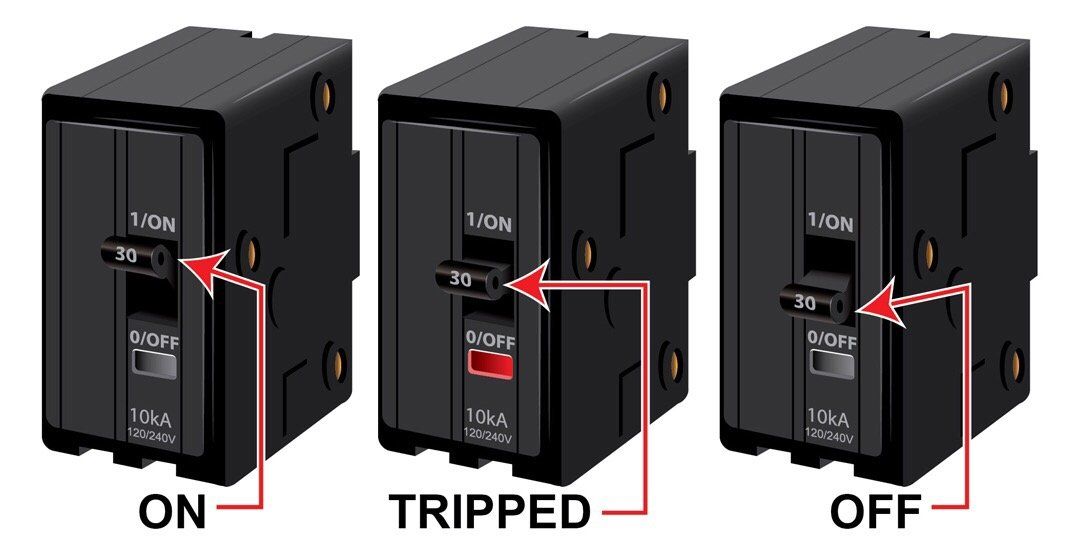
Every time a circuit breaker trips in your home, it’s doing something incredibly important—protecting you and your electrical system from danger. But have you ever wondered where these little safety devices came from, or how we protected homes before they existed?
Here’s a quick look at the evolution of electrical breakers, and why they’re one of the most important inventions in modern electrical safety.
⚙️ Before Breakers: The Age of Fuses (Late 1800s – Early 1900s)
Before circuit breakers became common, homes used fuses to prevent electrical overloads. A fuse contains a thin wire that melts when too much current flows through it, stopping the circuit.
The problem? Once a fuse blows, it has to be replaced—every single time.
Fuses worked, but they were:
Inconvenient
Easy to install incorrectly
Prone to over-fusing (dangerously replacing with a higher-rated fuse)
⚡ Enter the Breaker: Early 20th Century Innovation
The concept of the resettable circuit breaker emerged in the early 1900s, offering a reusable, more reliable solution. The first patent for a circuit breaker came in 1924 by Hugo Stotz (working with Siemens), whose design used a bimetallic strip to detect overcurrent.
Breakers gained popularity throughout the 1930s–50s, especially in industrial and commercial buildings.
Why they caught on:
Could be reset instead of replaced
More precise at detecting electrical faults
Better suited for growing electrical demands
🏠 Breakers in the Modern Home (1960s–Present)
By the 1960s and 70s, circuit breakers became the standard in new residential construction across the U.S. and many parts of the world, replacing fuse boxes entirely.
Modern home panels include:
Standard breakers – for basic overcurrent protection
GFCI breakers – to protect against shock (especially near water)
AFCI breakers – to prevent electrical fires from arc faults
Dual-function breakers – offering both GFCI and AFCI protection
These advanced breakers are required by modern electrical codes in many areas, and they’ve drastically reduced electrical fires and injuries.
🔌 Why Breakers Matter More Than Ever
Today’s homes use far more electricity than they did 50 years ago. With more appliances, electronics, EV chargers, and smart tech, the demand on your electrical panel is greater than ever.
Circuit breakers are the unsung heroes, silently monitoring every circuit to:
Prevent overloads
Stop short circuits
Protect people and property
🧑🔧 Should You Upgrade Your Breaker Panel?
If your home still has an old fuse box or outdated breaker panel, it might be time for an upgrade—especially if you’re:
Experiencing frequent tripped breakers (check out our blog about troubleshooting electrical circuit tripping)
Adding new appliances or renovations
Living in a home over 30–40 years old
Find you need to upgrade your panel? Give us a call
and we can give you a free estimate
to upgrade your electrical panel
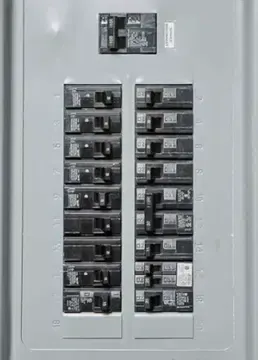
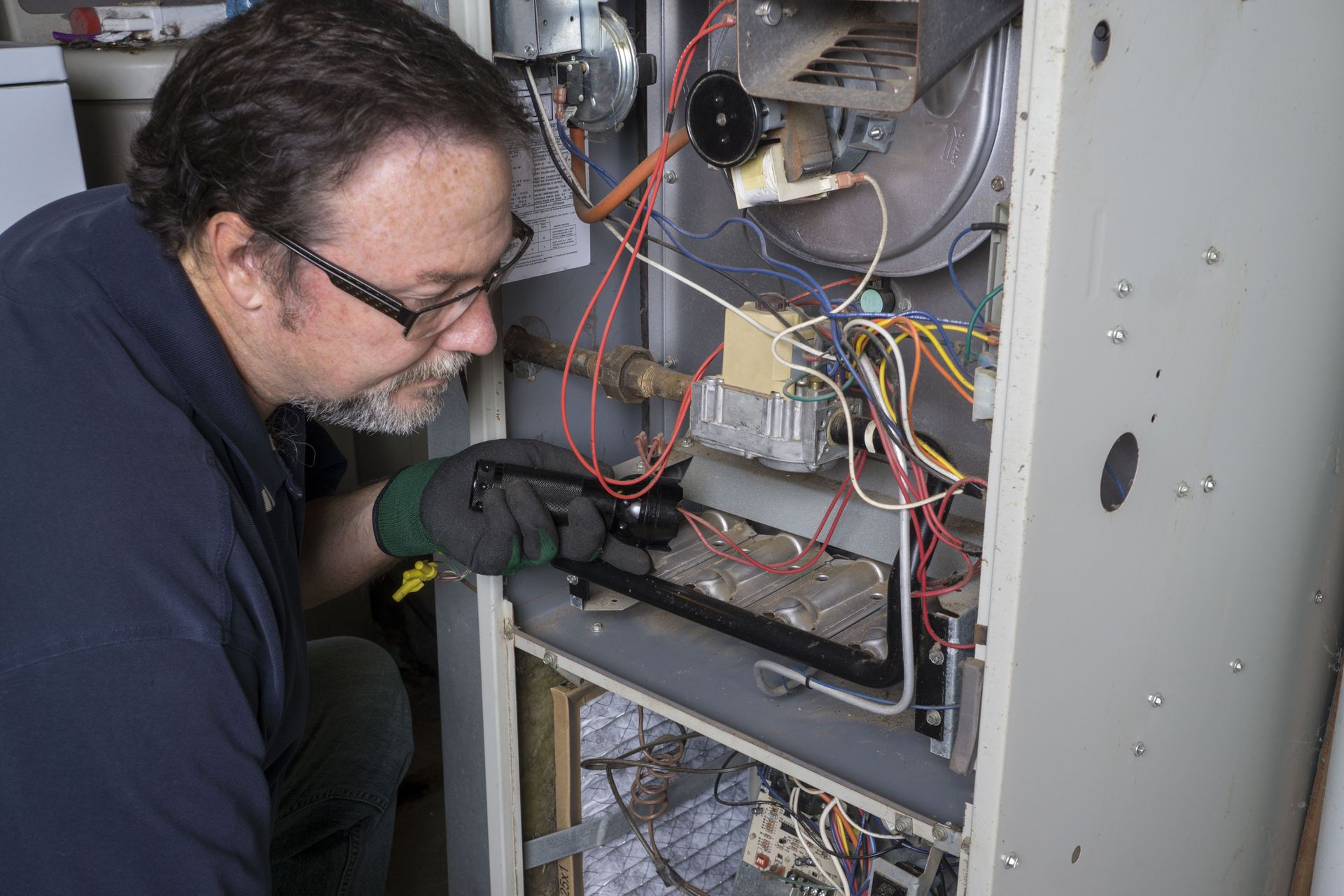
Wondering what commercial electricians can do for you and your home? Check out this guide and call today for more information!
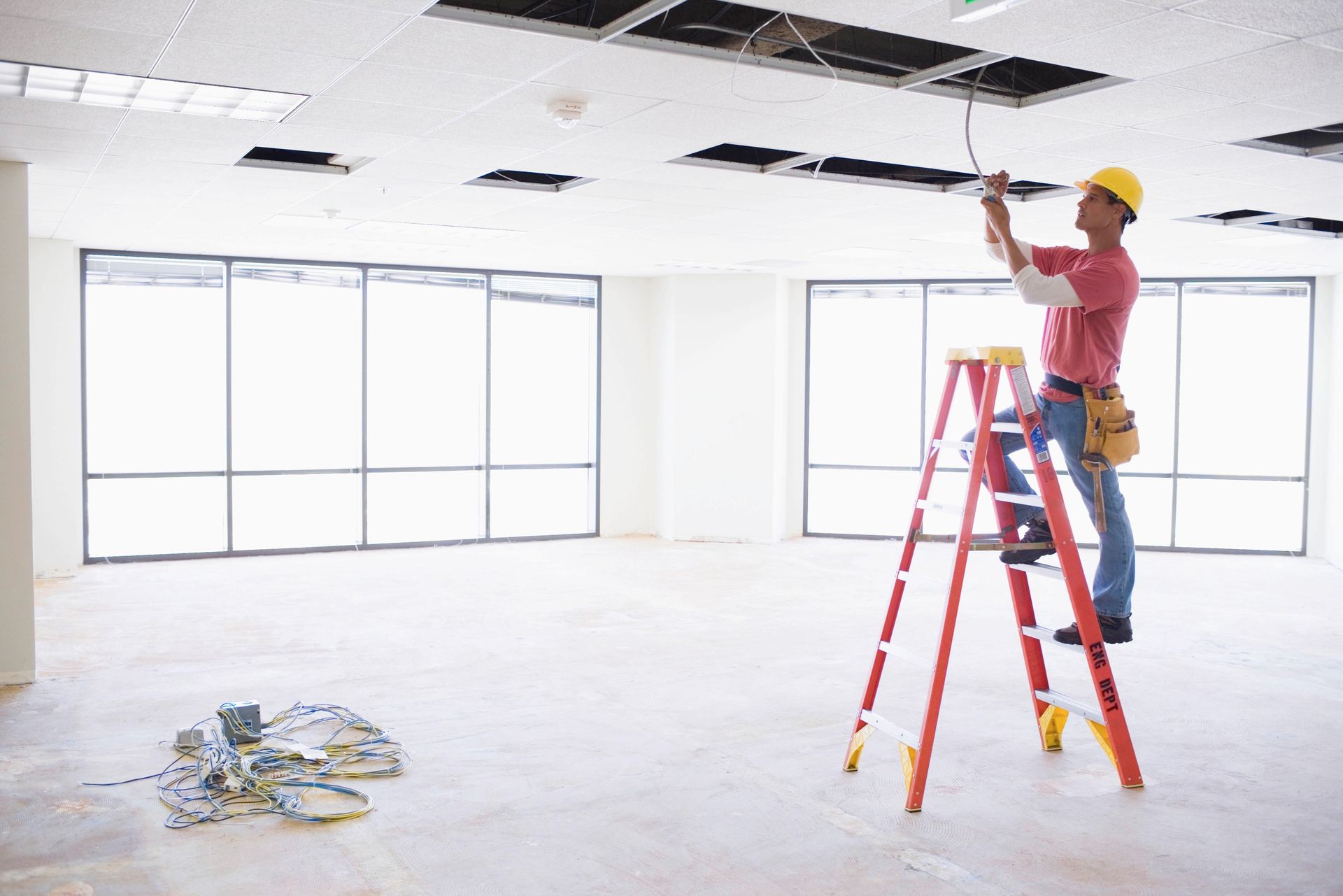
This blog post explores how electricians contribute to new construction projects at every stage and why their early involvement matters.
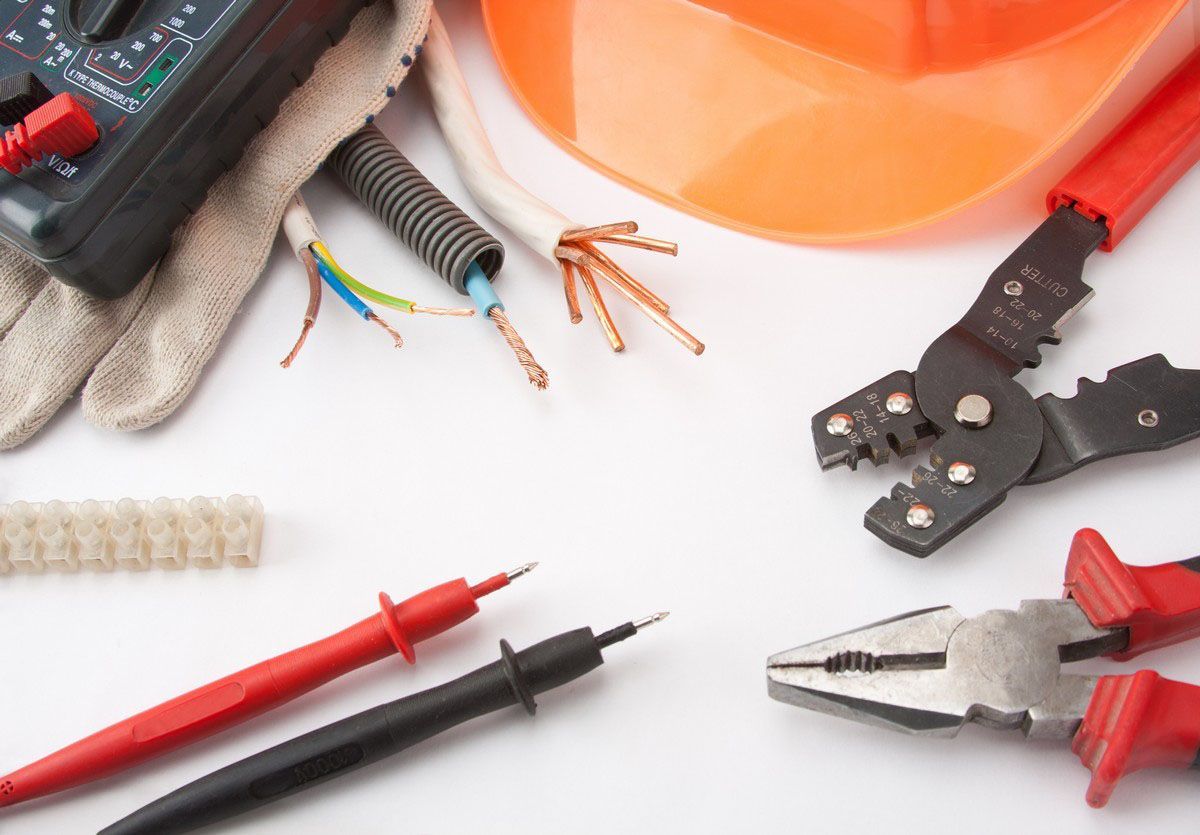
Learn the top warning signs that your property needs electrical repair, from tripping breakers to flickering lights. Call a licensed electrician to book today!
Share On: