

How Local Electricians Support New Construction Projects from Ground Up
Building a new property, whether it is a single-family home, a retail storefront, or a full-scale industrial facility, involves dozens of moving parts. Among the most critical is the electrical system, which powers everything from lighting and HVAC to security systems and heavy machinery. Long before drywall goes up or paint is applied, licensed electricians are already hard at work laying the groundwork for a safe, functional, and code-compliant building. Their involvement starts early and continues through every phase of construction, ensuring that the finished structure is not only visually complete but also fully operational and safe for occupancy.
Many people assume electrical work only matters once a building is nearly finished, but the truth is that electricians are essential collaborators from the very first blueprint. Their expertise shapes decisions about layout, load capacity, and long-term functionality. This blog post explores how electricians contribute to new construction projects at every stage, why their early involvement matters, and what property owners should look for when hiring a team for a ground-up build.
Planning and Blueprint Collaboration With Electricians
Before a single wire is run, electricians play a key role in the planning phase of a new construction project. Architects and contractors typically consult with licensed electricians to determine the electrical layout that will best serve the building's intended use. This includes deciding where outlets, switches, panels, and lighting fixtures should be placed, as well as calculating the anticipated electrical load the building will need to support.
For residential projects, this might mean planning for kitchen appliances, home offices, and future additions like electric vehicle charging stations. For commercial and industrial projects, the stakes are often higher, requiring careful calculations for heavy equipment, specialized lighting, and backup power systems. Electricians work closely with other tradespeople and project managers to ensure the electrical plan integrates seamlessly with plumbing, HVAC, and structural elements. This collaborative approach prevents costly conflicts down the line, such as wiring that interferes with ductwork or outlets placed behind permanent fixtures.
Rough-In Wiring and Panel Installation by Electricians
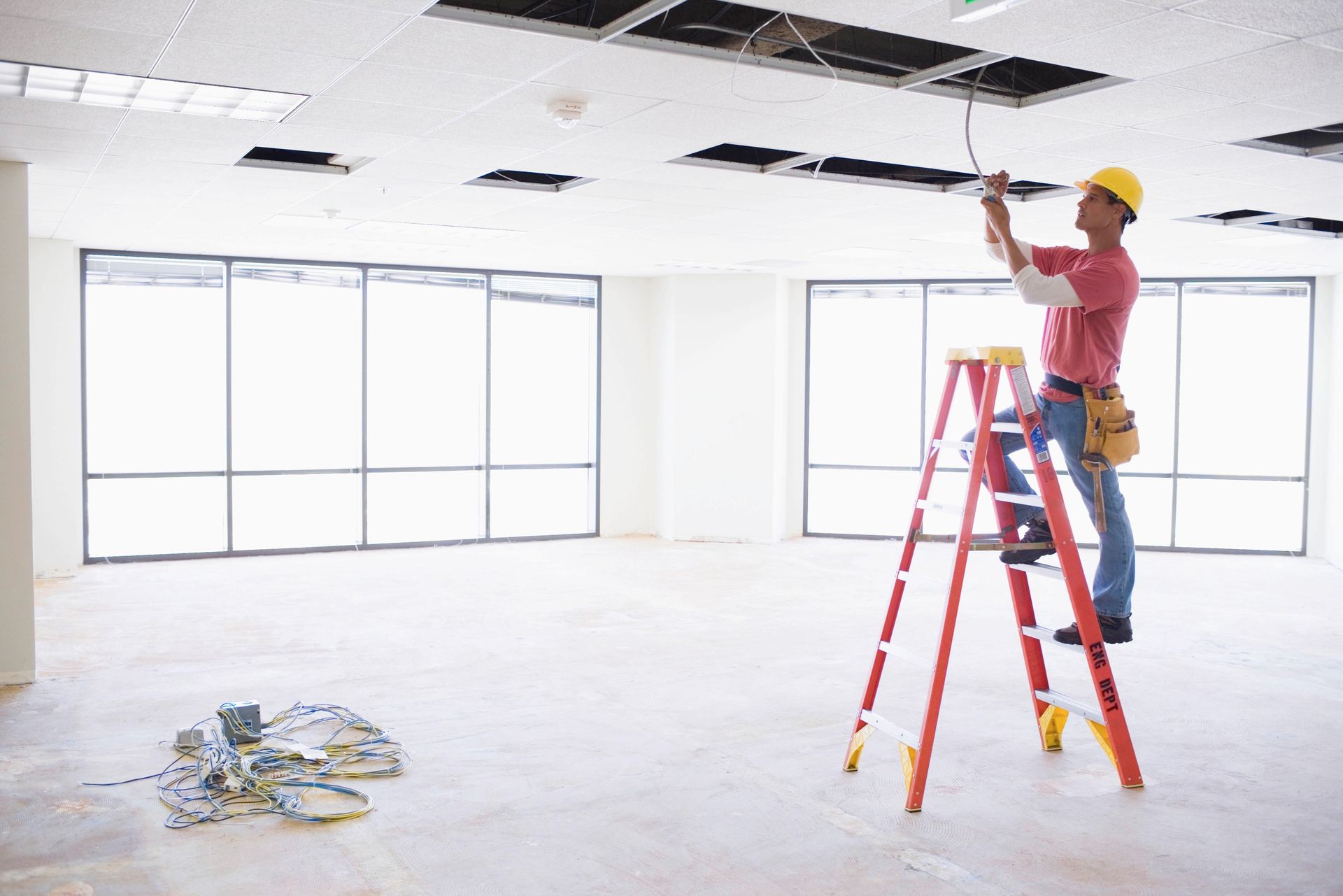
Once the foundation is poured and the frame of the building begins to take shape, electricians move into what is commonly known as the rough-in phase. This stage involves running wiring through walls, floors, and ceilings before insulation and drywall are installed. It is one of the most labor-intensive parts of the construction process and requires precision, since mistakes made here can be expensive and difficult to correct once walls are closed up.
During rough-in, electricians also install the main electrical panel, which serves as the control center for the entire building's power distribution. This panel must be sized correctly to handle current and future electrical demands, and it must comply with local and national electrical codes. For commercial and industrial buildings, this often means installing multiple panels or subpanels to accommodate different zones or types of equipment. Getting this stage right is essential because the panel and wiring infrastructure will support the building for decades to come.
Code Compliance and Safety Inspections Handled by Electricians
New construction projects are subject to strict building codes designed to protect occupants from fire hazards, electrical shocks, and other safety risks. Licensed electricians are trained extensively to understand and apply these codes correctly, which is one of the primary reasons professional expertise matters so much during a build. According to Forbes, individuals training to become electricians typically spend roughly four years in an apprenticeship, working directly under the supervision of a licensed electrician before they can operate independently. This lengthy and rigorous training period reflects just how much technical knowledge is required to safely wire a building.
Throughout the construction process, electricians coordinate with local inspectors to ensure that all work meets code requirements at each stage, from rough-in through final walkthrough. These inspections are not just bureaucratic checkboxes; they serve as critical safeguards that catch potential hazards before they become serious problems. Skipping this step or hiring unlicensed workers can result in failed inspections, costly rework, and even safety hazards that put future occupants at risk.
Lighting Design and Energy Efficiency Planning with Electricians
As construction progresses toward completion, electricians shift their focus toward finishing touches that impact both functionality and aesthetics. Lighting design is a major component of this stage, and it involves far more than simply installing fixtures. Electricians help determine the placement and type of lighting needed to suit each space, whether that means task lighting in a kitchen, ambient lighting in a lobby, or high-output fixtures in a warehouse.
Energy efficiency has become an increasingly important consideration in new construction, and electricians are often the ones guiding decisions about LED lighting, motion sensors, and dimmer switches. These upgrades not only reduce long-term energy costs but also contribute to a more comfortable and adaptable environment for occupants. For commercial and industrial clients in particular, energy-efficient lighting can translate into significant savings over the life of the building, making this an area where professional guidance truly pays off.
Backup Power Integration Provided by Electricians
Power outages can happen at any time, whether due to severe weather, grid failures, or unexpected accidents, and new construction projects increasingly account for this reality. Electricians are often brought in during the later stages of a build to plan and install backup power systems, such as standby generators, that keep a property functioning even when the main power grid goes down.
This is especially important for industrial facilities and commercial businesses, where even a brief interruption in power can halt operations and lead to significant financial losses. Electricians assess the specific power requirements of a building and help select a generator size and model that matches those needs. They then handle the full installation process, ensuring that the system integrates properly with the building's existing electrical infrastructure and meets all applicable safety codes. For homeowners, backup power might mean protecting a home during a storm, while for a growing business, it could mean the difference between staying operational and losing valuable time.
Final Testing and Walkthroughs Conducted by Electricians
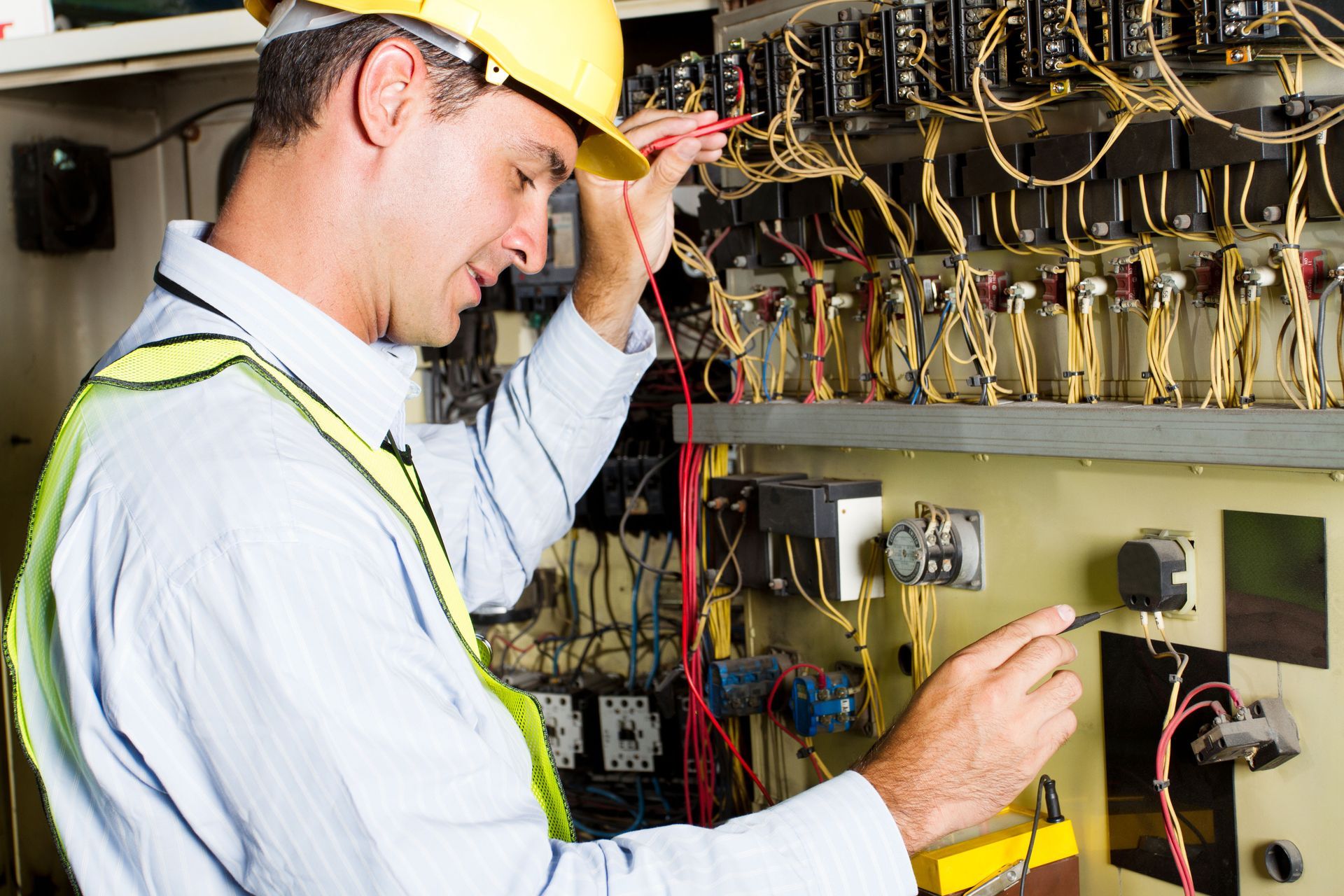
As a new construction project nears completion, electricians perform thorough testing to confirm that every system is functioning as intended. This includes checking outlets, switches, panels, and any specialized equipment installed throughout the building. It is a critical step that ensures nothing was overlooked during the earlier phases of construction.
Final walkthroughs also give property owners the opportunity to ask questions and understand how their electrical systems work before moving in or opening for business. Electricians can explain panel layouts, point out breaker locations, and offer guidance on basic troubleshooting. This final stage of quality control is what separates a rushed job from one completed by dedicated professionals who take pride in their work. It also provides peace of mind, knowing that the building has been thoroughly vetted before anyone begins using it.
At every stage of a new construction project, the value of hiring qualified, licensed professionals cannot be overstated. Electrical work is not an area where shortcuts or inexperience should be tolerated, given the serious safety risks involved in improperly installed wiring or panels. From the initial planning stages through final inspection, working with trained electricians ensures that a building will be safe, efficient, and built to last. Property owners who prioritize professional expertise from day one typically avoid the costly rework, failed inspections, and safety hazards that can arise from cutting corners.
Ultimately, new construction is a significant investment, and the electrical system is one of its most important components. Whether the project is a cozy residential home or a sprawling industrial facility, the expertise of skilled electricians is what transforms a set of blueprints into a fully functional, code-compliant building. From planning and rough-in wiring to lighting design, backup power integration, and final testing, every phase of construction relies on the knowledge and precision that only trained professionals can provide.
If you are planning a new construction project and want a team of experienced, licensed professionals by your side from start to finish, we would love to help. At Krislee Electric LLC, we bring decades of combined experience to every job, offering a one-year warranty on new construction and a genuine commitment to quality craftsmanship. Contact us today to schedule a free estimate and see why so many homeowners and business owners trust us to power their new construction projects the right way.


Share On: