

Truth About Knob and Tube Wiring
7016309225 • September 17, 2025
🏚️ The Truth About Knob-and-Tube Wiring: What Homeowners Need to Know

If you've ever bought or lived in an older home, chances are you’ve heard of knob-and-tube wiring. This vintage electrical system was standard in homes built from the 1880s through the 1940s—and while it was innovative in its day, it raises some serious concerns today.
So, what exactly is knob-and-tube wiring, and is it something you should be worried about?
Let’s break it down.
⚙️ What Is Knob-and-Tube Wiring?
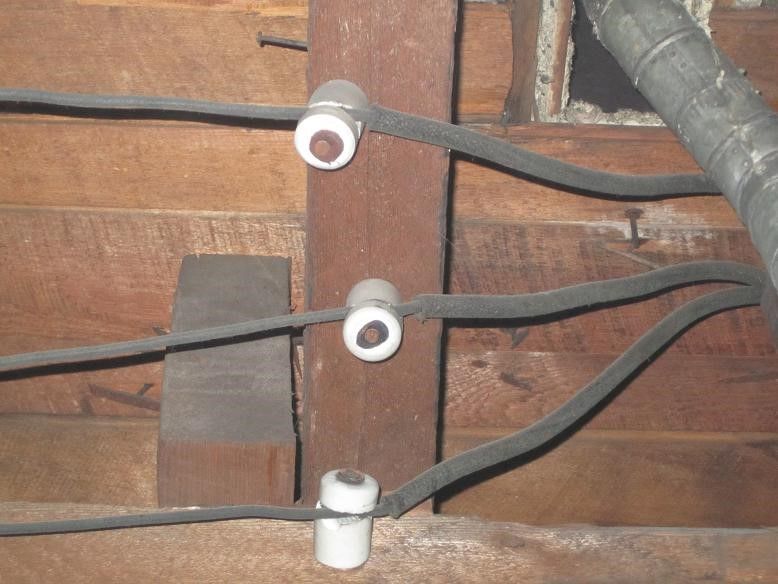
Knob-and-tube (often abbreviated as K&T) is a method of electrical wiring that uses ceramic knobs to hold wires in place and ceramic tubes to guide them through wooden beams. Unlike modern wiring, it has:
- No grounding wire
- Separate hot and neutral wires, run individually
- Cloth or rubber insulation (which can deteriorate over time)
While it worked well for the lower electrical demands of early 20th-century homes, it wasn’t designed for today’s energy-hungry appliances or safety standards.
🚩 Why Knob-and-Tube Wiring Is a Concern
Many homeowners ask us: “Is knob-and-tube wiring dangerous?” The answer? It can be. Here’s why:
No Ground Wire
Modern wiring includes a ground wire for safety. K&T lacks this, which increases the risk of shocks and fire—especially when used with today’s electronics.
Insulation Breakdown
The cloth insulation used in knob-and-tube systems becomes brittle over time, exposing live wires that can arc or overheat.
Modified or Improperly Repaired Wiring
Many homes with K&T have had "DIY fixes" over the years—mixing old wiring with modern components. These mismatched setups often violate code and pose safety hazards.
Overloading the System
Homes built with K&T were never designed to handle the load of modern HVAC systems, microwaves, EV chargers, or multiple electronics.
🏡 Can You Sell or Insure a Home with Knob-and-Tube Wiring?
Many insurance companies are reluctant—or outright refuse—to insure homes with active knob-and-tube wiring. Even if you find coverage, expect higher premiums. Some mortgage lenders may also deny loans until the wiring is updated.
If you’re selling a home, outdated wiring could be a deal-breaker for buyers.
🔧 What Should You Do if You Have Knob-and-Tube Wiring?
If your home has knob-and-tube wiring, here are your options:
✅ Schedule a professional inspection – to assess condition, safety, and potential upgrades
✅ Consider a full or partial rewire – especially in high-use areas like kitchens and bathrooms
✅ Avoid insulating over it – it needs space to release heat, and insulation can become a fire hazard
✅ Don’t plug modern high-wattage devices into older outlets – they may not be safe or up to code
⚡ Ready to Upgrade? We Can Help.
At KrisLee Electric, we specialize in evaluating and replacing knob-and-tube wiring with modern, safe, and code-compliant electrical systems. Whether you’re renovating, buying, or selling an older home, we’ll guide you every step of the way.
📞 Contact us
today for a professional inspection or estimate—because when it comes to electrical safety, what you don’t see can hurt you.
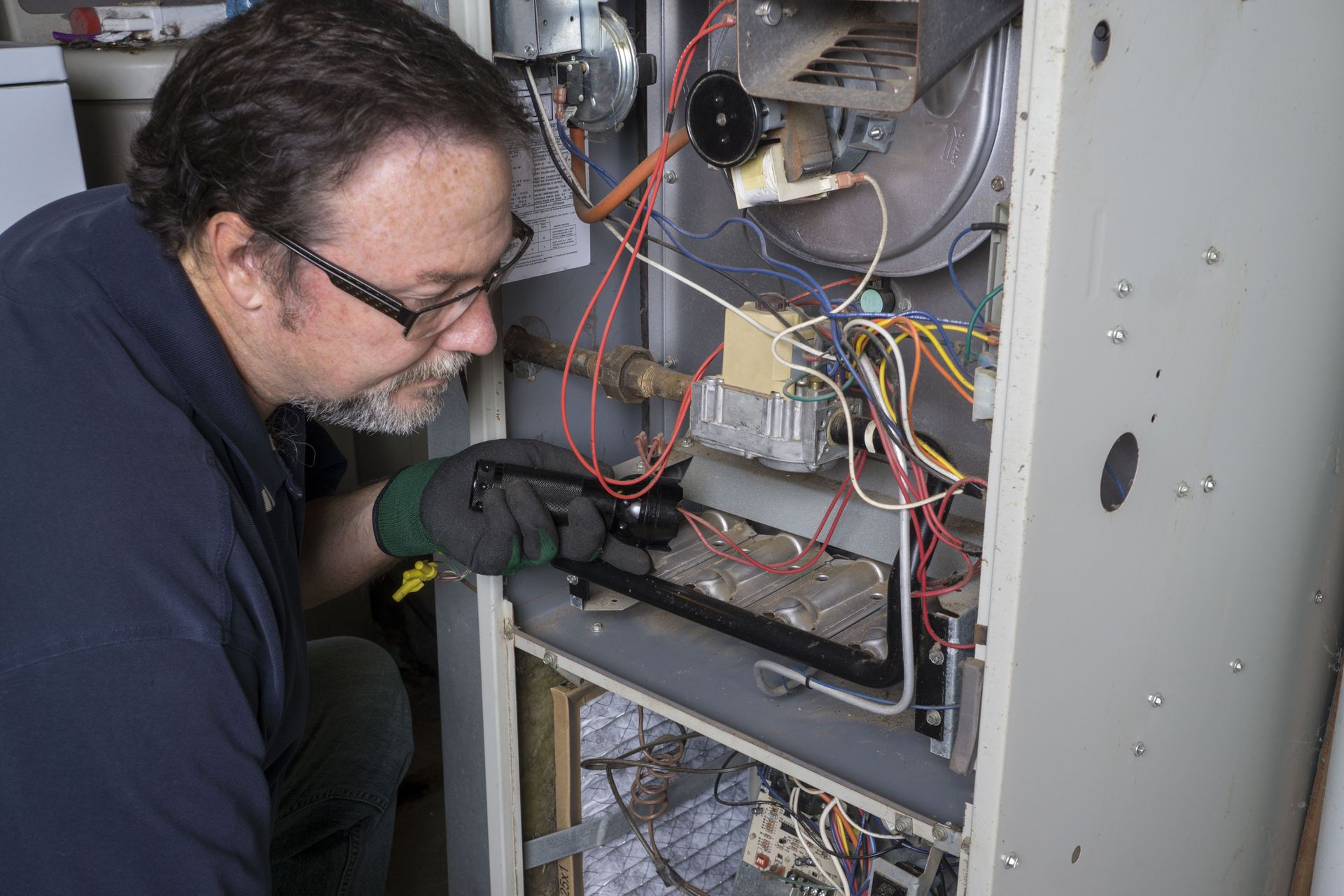
Wondering what commercial electricians can do for you and your home? Check out this guide and call today for more information!
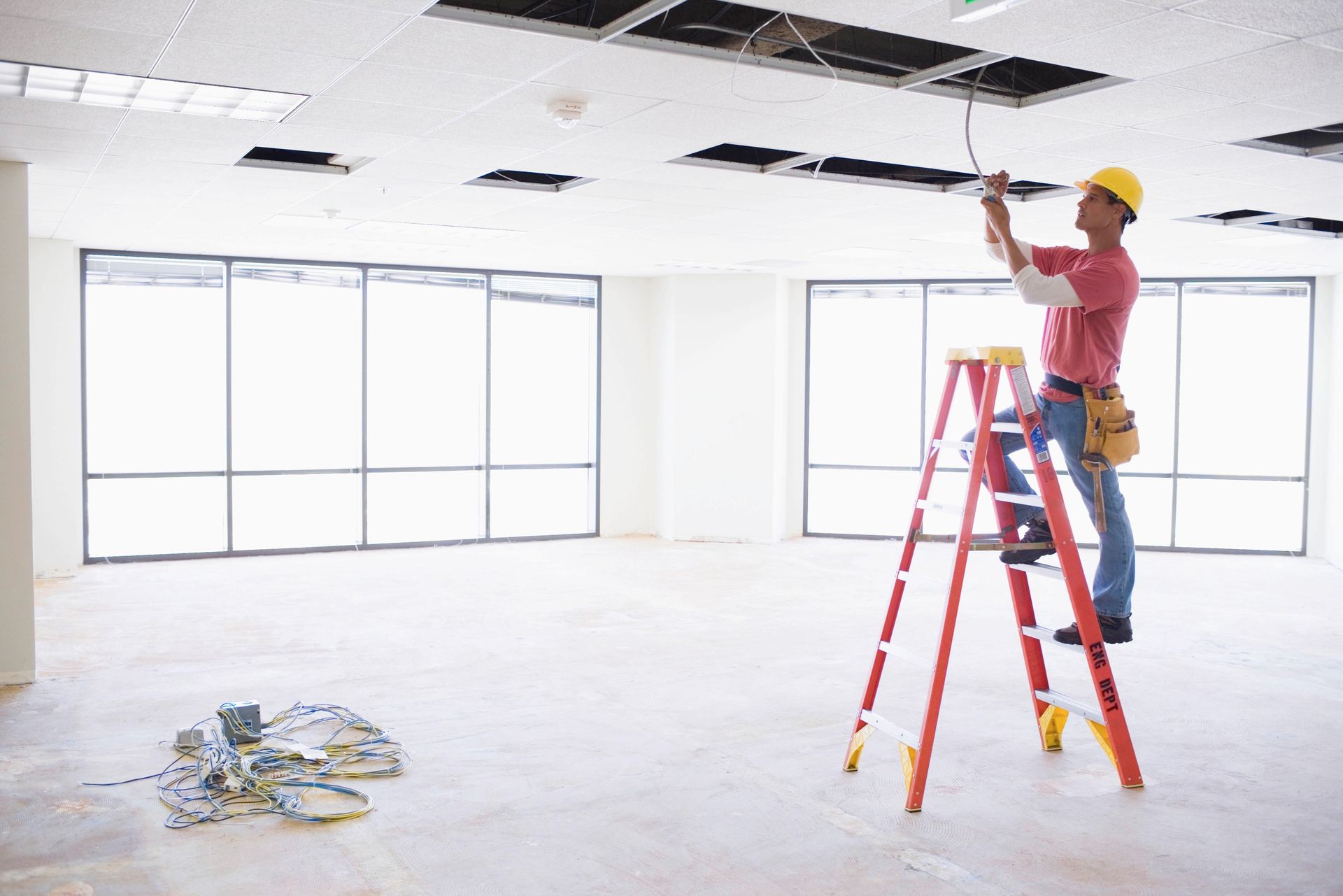
This blog post explores how electricians contribute to new construction projects at every stage and why their early involvement matters.
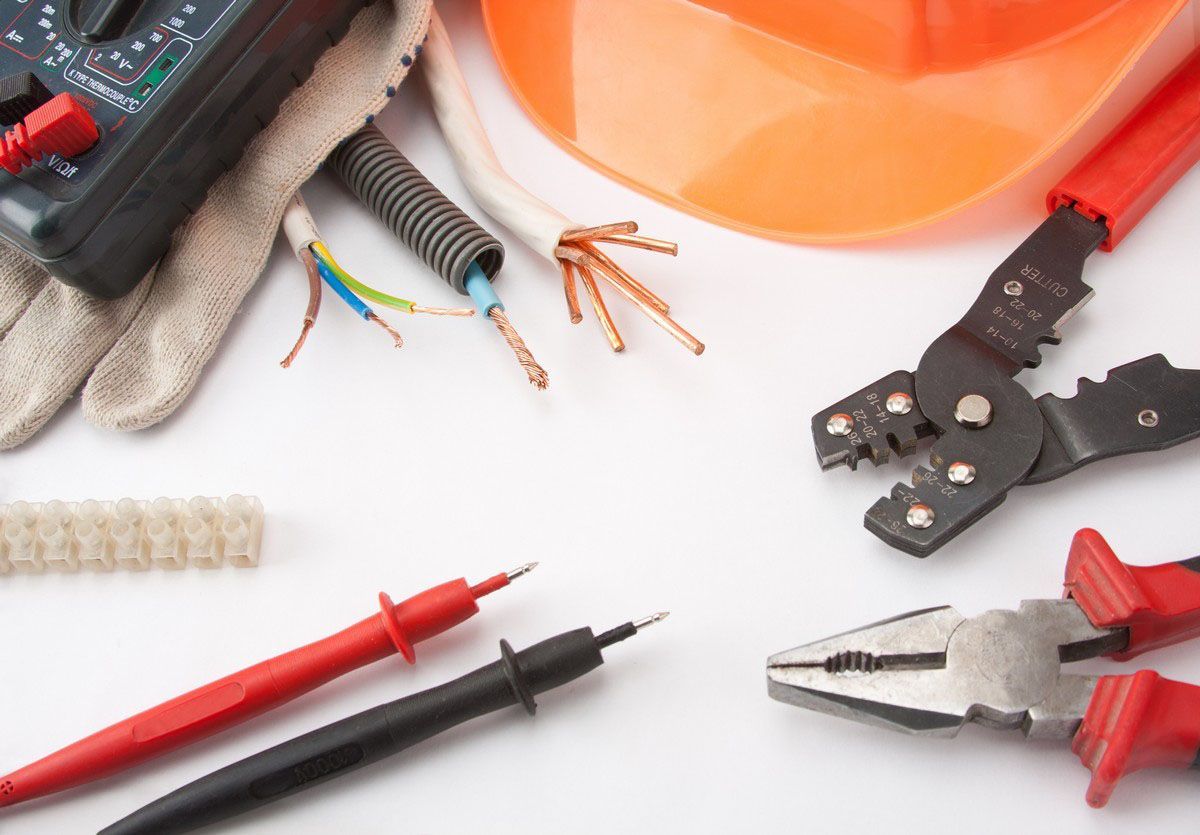
Learn the top warning signs that your property needs electrical repair, from tripping breakers to flickering lights. Call a licensed electrician to book today!
Share On: