

Spring Renovations: When to Call an Electrician
March 17, 2026
Spring Renovations: When to Call an Electrician
Spring is a popular time for home renovations. Warmer weather and longer days make it the perfect season to start those projects you've been planning all winter. While many upgrades focus on paint, flooring, or landscaping, electrical work is often an important part of a safe and successful renovation. Knowing when to call a licensed electrician can save time, money, and prevent potential safety issues.
Adding or Moving Outlets
Many renovations involve changing the layout of a room, adding built-ins, or upgrading appliances. These changes often require outlets to be moved or added to meet electrical codes and provide convenient access to power. A licensed electrician can ensure outlets are installed safely and in the correct locations.
Lighting Upgrades
Spring renovations are a great time to upgrade lighting. Whether you're installing recessed lighting, under-cabinet lighting, or updating outdated fixtures, proper wiring and installation are key. An electrician can help design a lighting plan that improves both functionality and appearance.
Electrical Panel Upgrades
Older homes may not have the electrical capacity needed for modern appliances, home offices, or new additions. If your renovation includes new equipment, HVAC upgrades, or additional rooms, your electrical panel may need to be evaluated or upgraded to handle the increased load.
Kitchen and Bathroom Renovations
Kitchens and bathrooms have specific electrical code requirements. GFCI outlets, dedicated circuits, and proper spacing are all essential for safety. A professional electrician will ensure your renovation meets current electrical codes and functions reliably.
Outdoor Electrical Projects
Spring is also a common time to install outdoor lighting, outlets, or power for patios, pools, and sheds. Outdoor electrical work must be properly protected from weather and moisture, making professional installation especially important.
Plan Ahead for Electrical Work
One of the best things you can do when planning a renovation is to involve an electrician early in the process. Proper planning can prevent delays and ensure your electrical system supports all of your new upgrades.
Spring is the perfect season to improve your home, and making sure the electrical work is done safely and correctly is a critical part of the process. If your renovation involves wiring, lighting, outlets, or panel upgrades, it’s always best to work with a licensed professional.

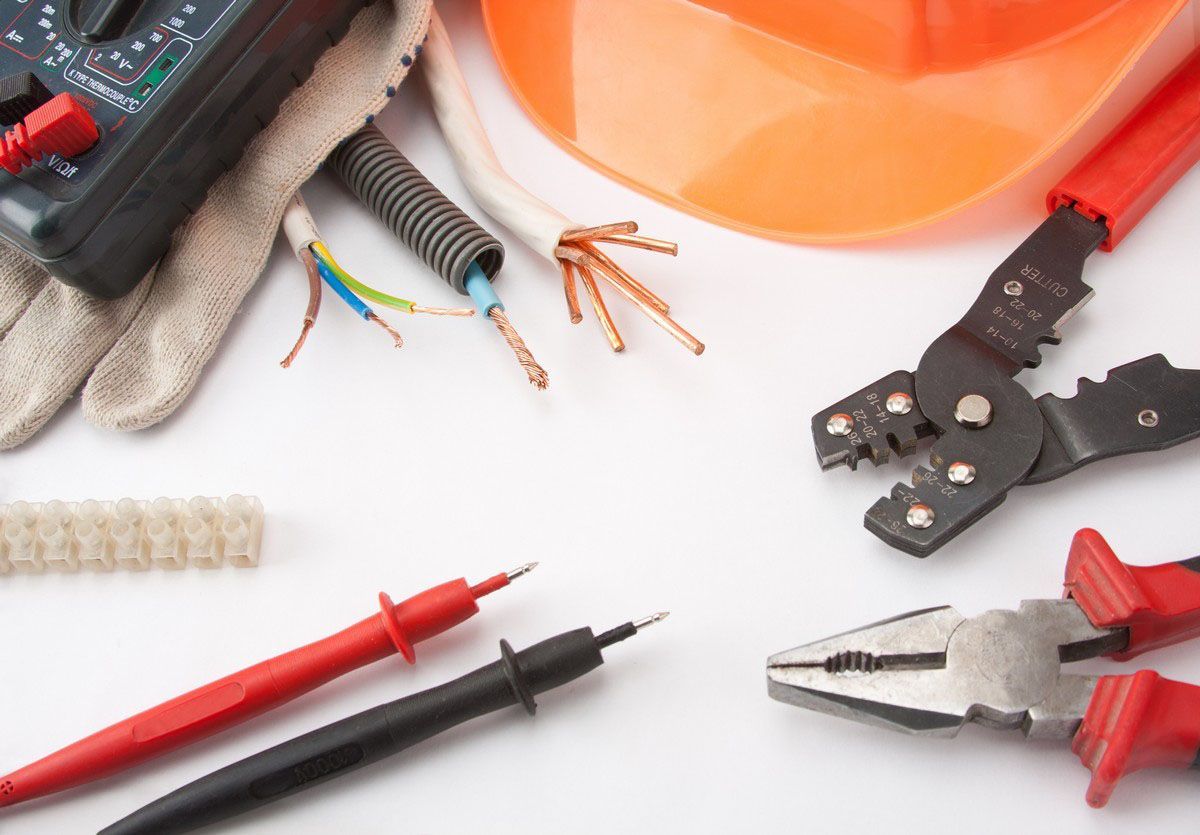
Learn the top warning signs that your property needs electrical repair, from tripping breakers to flickering lights. Call a licensed electrician to book today!
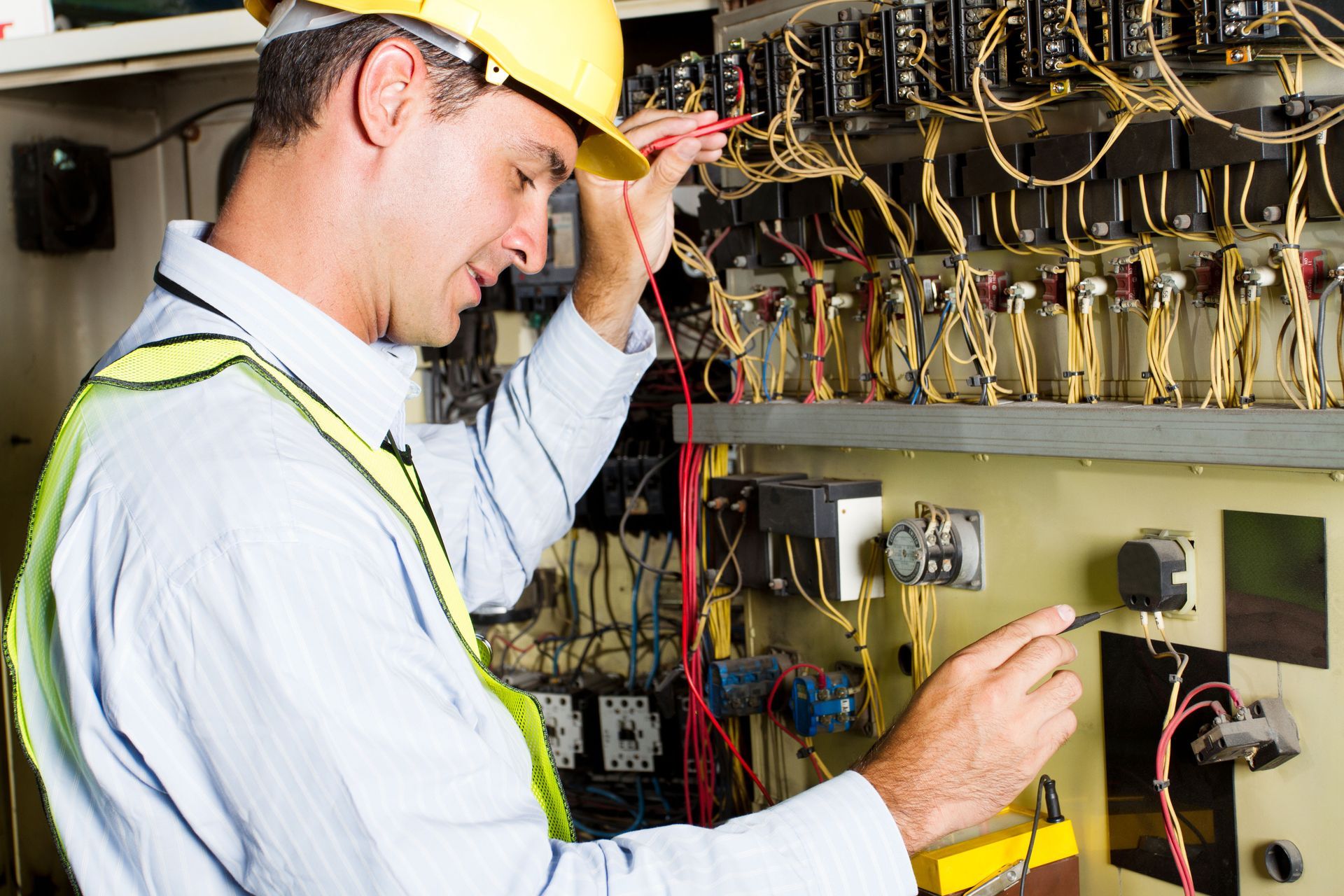
Avoid fire hazards and costly project delays. Partner with a licensed electrician at Krislee Electric LLC for safe, code-compliant renovation wiring.

Learn how professional electricians earn their stripes through 8 years of intensive education, training, and hands-on apprenticeships to ensure safety.
Share On: