
3 Common Electrical Problems in Industrial Facilities and How Electricians Solve Them
Electrical issues are a common hindrance in industrial settings, impacting both operational efficiency and safety. The intricate nature of these facilities means that electrical problems can arise from a multitude of sources, necessitating professional attention. Industrial electricians are at the forefront of addressing these challenges, using their expertise to prevent major disruptions while ensuring compliance with safety standards. According to IBISWorld, the U.S. had over 238,600 electrician businesses as of 2023. Their role is critical not only in resolving immediate engineering issues but also in implementing preventive strategies that minimize the risk of future complications. By understanding and responding to these electrical problems, industrial electricians keep industrial operations safe, efficient, and cost-effective.
1. Overloaded Circuits
Understanding the Causes
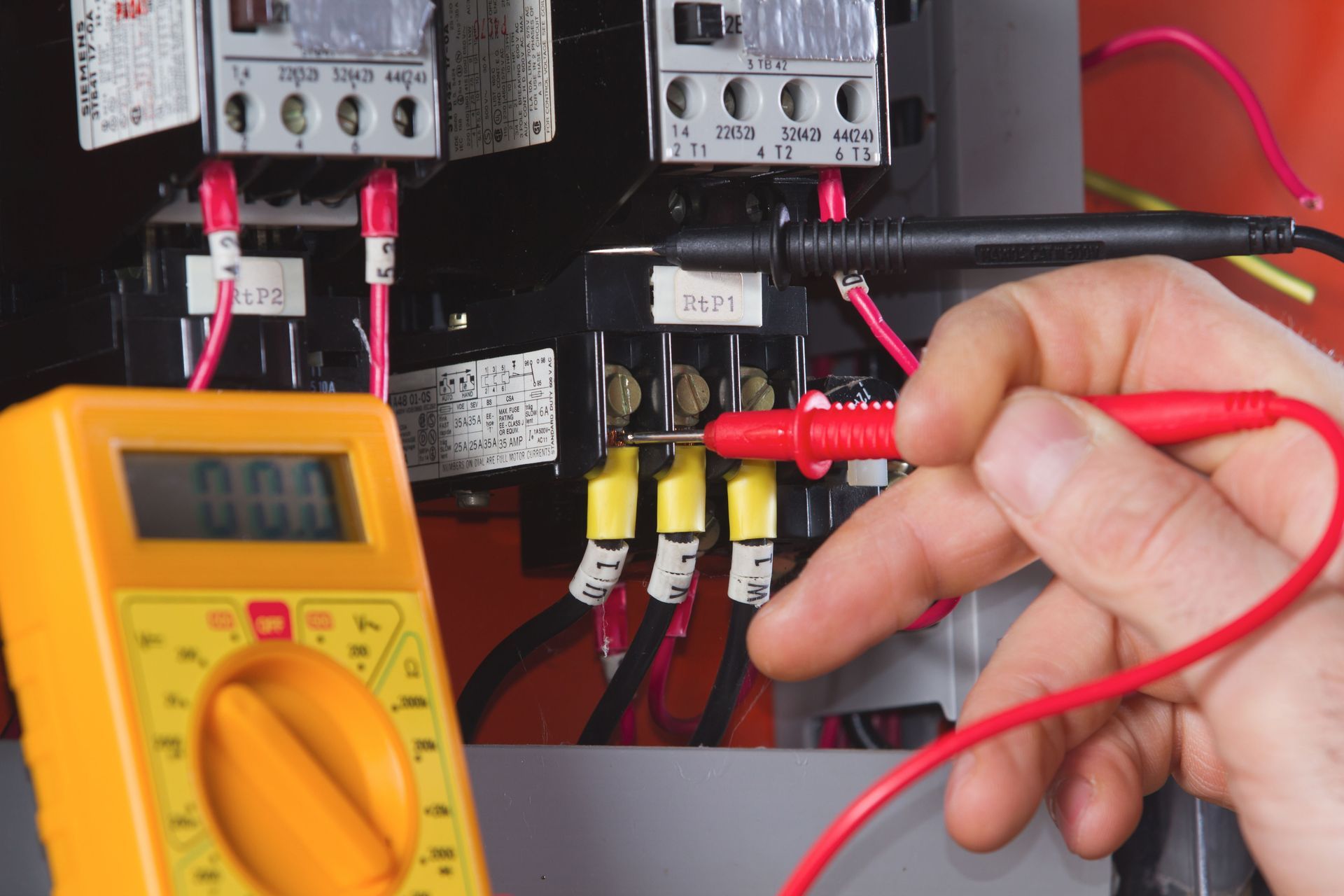
Overloaded circuits in industrial settings often occur due to an excess demand for power beyond the circuit's capacity. This is particularly common in facilities with outdated electrical systems that have low amperage limits, which cannot accommodate modern machinery's power needs. The addition of new equipment without proper electrical upgrades can exacerbate the situation, leading to frequent circuit breaker trips. Electricians play a crucial role by assessing the total load on circuits and ensuring that power distribution is balanced. Regular audits of electrical infrastructure can help identify potential overload issues before they lead to significant disruptions.
Signs of Overloaded Circuits
Identifying overloaded circuits early can prevent severe disruptions and potential hazards in industrial facilities. Flickering lights, frequently tripped circuit breakers, and warm or discolored outlets are common symptoms of overloaded circuits. In some cases, equipment might not run at full efficiency due to insufficient power supply, leading to decreased productivity and increased wear on machinery. Electricians are trained to spot these signs during routine inspections, allowing them to take corrective action before more severe issues arise. Early detection and intervention can preserve equipment longevity and maintain operational consistency.
Preventive Measures
Preventing circuit overload begins with a thorough understanding of a facility's electrical network and its demands. Industrial electricians advise on appropriate circuit upgrades and the installation of additional outlets to distribute the electrical load effectively. Using surge protectors and energy-efficient machinery can also alleviate the strain on existing circuits. Regular maintenance checks by professional electricians ensure that potential issues are identified and rectified early. These preventive measures often require an upfront investment, yet they save significant costs associated with emergency repairs and equipment downtime.
Solutions for Electricians
Industrial electricians employ several strategies to address overloaded circuits, including adding sub-panels that distribute power more evenly throughout the facility. They might recommend the rewiring of circuits or the installation of higher-capacity wiring to accommodate greater power demands. Furthermore, electricians guide facility managers in staggering the operation of high-power devices or installing smart energy management systems that balance electrical loads. Implementing these solutions minimizes the risk of overload and optimizes power usage for industrial facilities.
2. Transformer Failures
Common Types of Transformer Issues
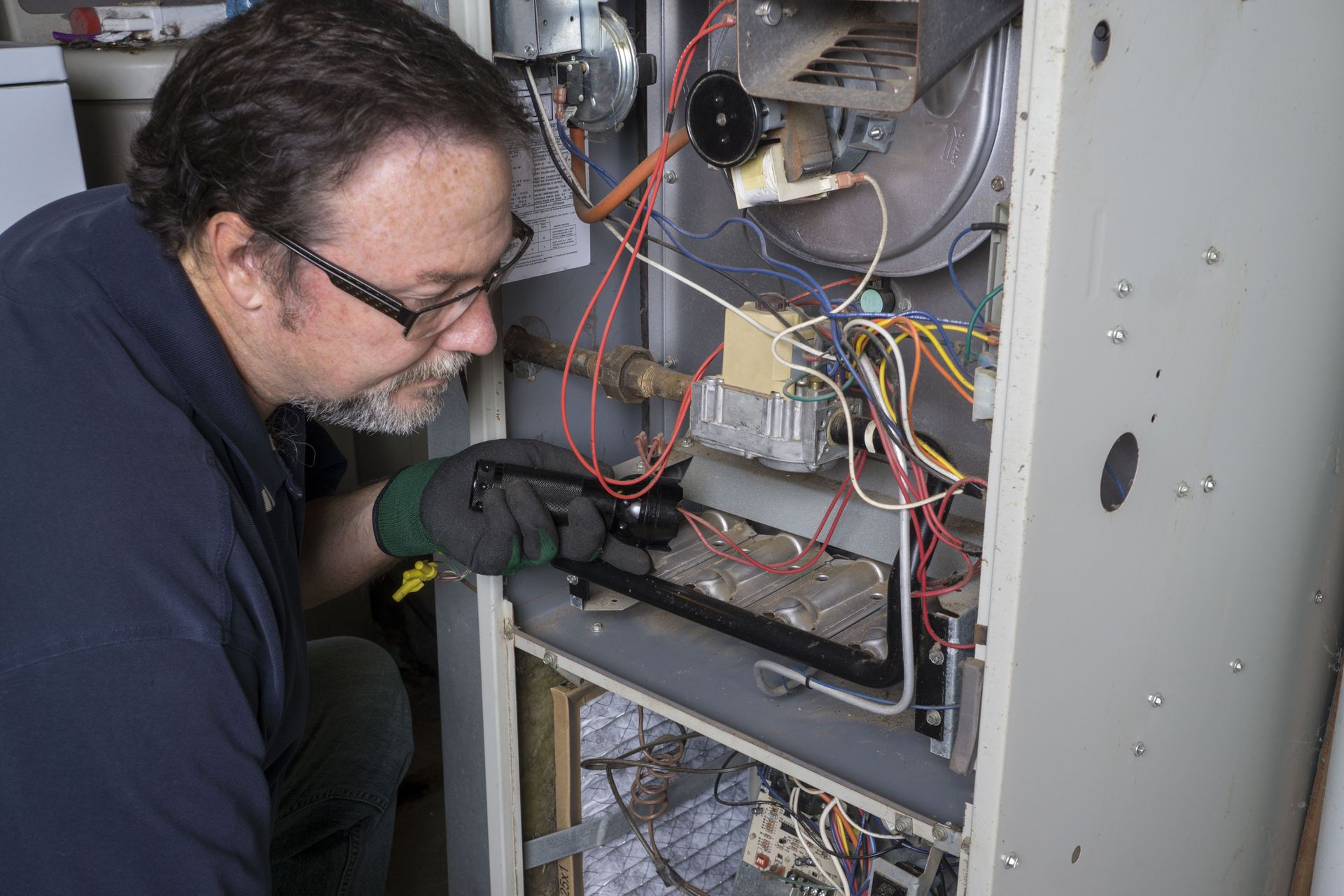
Transformers in industrial facilities are critical components that can suffer from multiple types of failures. Common issues include insulation breakdown, thermal overload, and mechanical damage caused by environmental factors or severe voltage fluctuations. Over time, these problems can lead to decreased efficiency or complete transformer failure, underscoring the need for regular maintenance and timely upgrades. Discrepancies in voltage output are often early indicators of transformer troubles that electricians are adept at identifying. Addressing these issues promptly ensures that the entire facility remains operational and minimizes unexpected downtime.
Impact on Facility Operations
Transformer failures can have a profound impact, causing complete power blackouts or compromising equipment functionality within industrial facilities. Such power interruptions lead to operational delays, impacting productivity and potentially causing costly equipment damage. Safety concerns also arise, as power surges can damage sensitive electronics or create fire hazards within facilities. This necessitates immediate attention from skilled industrial electricians who understand the complexities of transformer systems. By diagnosing and repairing or replacing transformers, electricians play a vital role in maintaining safety and avoiding financial losses due to operational halts.
Routine Maintenance Practices
Electricians utilize proactive maintenance approaches to reduce the risk of transformer failures in industrial settings. They conduct routine inspections that include oil analysis, thermal imaging, and electrical testing to identify signs of wear or impending failure. Preventative measures, such as keeping the transformer cool and ensuring proper ventilation, further reduce the risk of failure. Regular maintenance and timely replacement of aging components prevent costly and disruptive transformer failures. Investing in these maintenance practices, though initially costly, protects against more significant expenses tied to transformer emergencies.
Advanced Diagnostic Techniques
Beyond routine inspections, industrial electricians are increasingly using advanced diagnostic techniques to monitor transformer health in industrial facilities. Technologies such as online monitoring systems provide real-time data on transformer operations, aiding in early fault detection. Equipment like dissolved gas analyzers and partial discharge measurement instruments helps electricians pinpoint specific weaknesses within the transformers. Investing in these technologies may seem significant; however, the benefits of reducing unexpected shutdowns and extending transformer life significantly outweigh the costs. These advanced techniques enable more precise and efficient maintenance responses.
3. Lighting Problems
Impact of Poor Lighting on Safety
Lighting issues in industrial facilities can severely impact worker safety, leading to accidents and decreased productivity. Inadequate or inconsistent lighting can obscure hazards and make it difficult for workers to perform tasks accurately. Moreover, poor lighting can cause eye strain and fatigue, increasing the risk of errors and reducing overall morale. Regular inspections and upgrades by electricians ensure that lighting systems meet safety standards and provide sufficient illumination for all operational areas. Addressing lighting deficiencies plays a crucial role in maintaining a safe and efficient work environment.
Energy Efficiency Considerations
In industrial facilities, lighting systems can account for a significant portion of the total energy consumption, highlighting the importance of energy-efficient lighting solutions. LED lighting, for instance, offers significant energy savings while providing better illumination compared to traditional lighting systems. Industrial electricians can recommend and implement these solutions, resulting in reduced energy bills and a smaller carbon footprint. Switching to energy-efficient lighting solutions is an approach that balances environmental concerns with operational cost-effectiveness.
Retrofitting and Upgrades
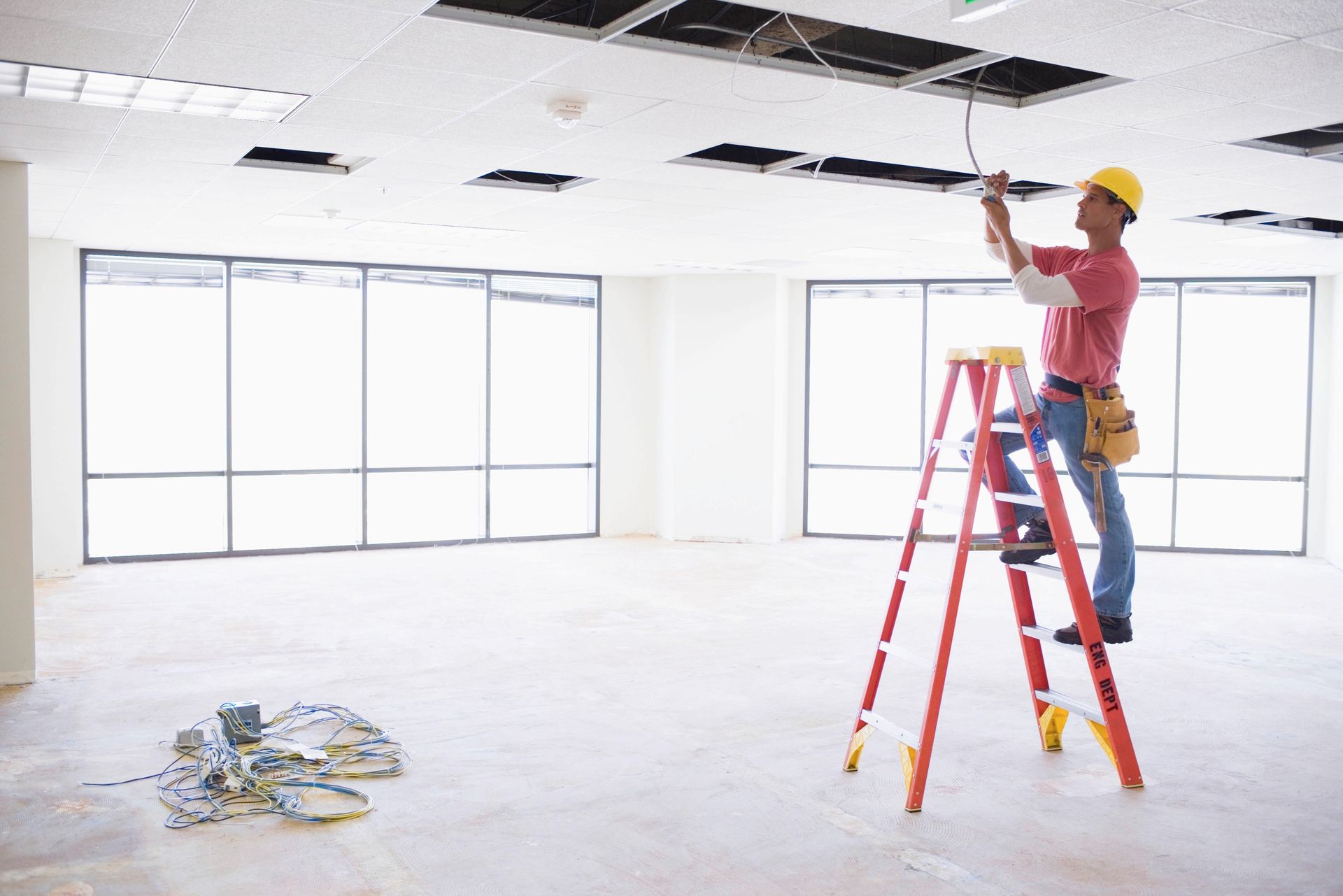
Light retrofitting and system upgrades offer viable solutions for resolving outdated or inefficient industrial lighting. Electricians evaluate existing lighting setups and recommend upgrades, such as replacing fluorescent or incandescent lights with LED fixtures. These improvements, while potentially costly upfront, reduce maintenance needs and enhance lighting quality significantly. Retrofitting also enables facilities to incorporate smart lighting systems, allowing for responsive lighting control and further energy savings. A strategic approach to retrofitting maximizes operational benefits by ensuring that lighting systems are both modernized and efficient.
Lighting Control Systems
Advanced lighting control systems allow industrial facilities to optimize energy use and improve lighting management. By integrating motion sensors, daylight harvesting controls, and programmable timers, electricians can create smart lighting systems tailored to each facility's needs. These systems automatically adjust lighting levels, leading to substantial energy savings without sacrificing illumination quality. Implementing these control systems enhances overall energy efficiency while ensuring appropriate lighting levels are maintained.
In industrial environments, electrical systems form the backbone of productivity, safety, and operational stability, making their proper maintenance and management essential. From overloaded circuits and transformer failures to inefficient lighting, each issue has the potential to disrupt workflows, increase expenses, and create safety risks if left unaddressed. By prioritizing routine inspections, timely upgrades, and modern energy-efficient solutions, facilities can maintain reliable electrical performance while supporting long-term growth and efficiency. Ultimately, investing in professional electrical support is not just a response to problems—it's a strategic step toward safer, more resilient, and more productive industrial operations. Reach out to Krislee Electric LLC today to learn more from our skilled industrial electricians.
Share On: