
Why Should You Always Work With Professional Electricians?

August 27, 2024

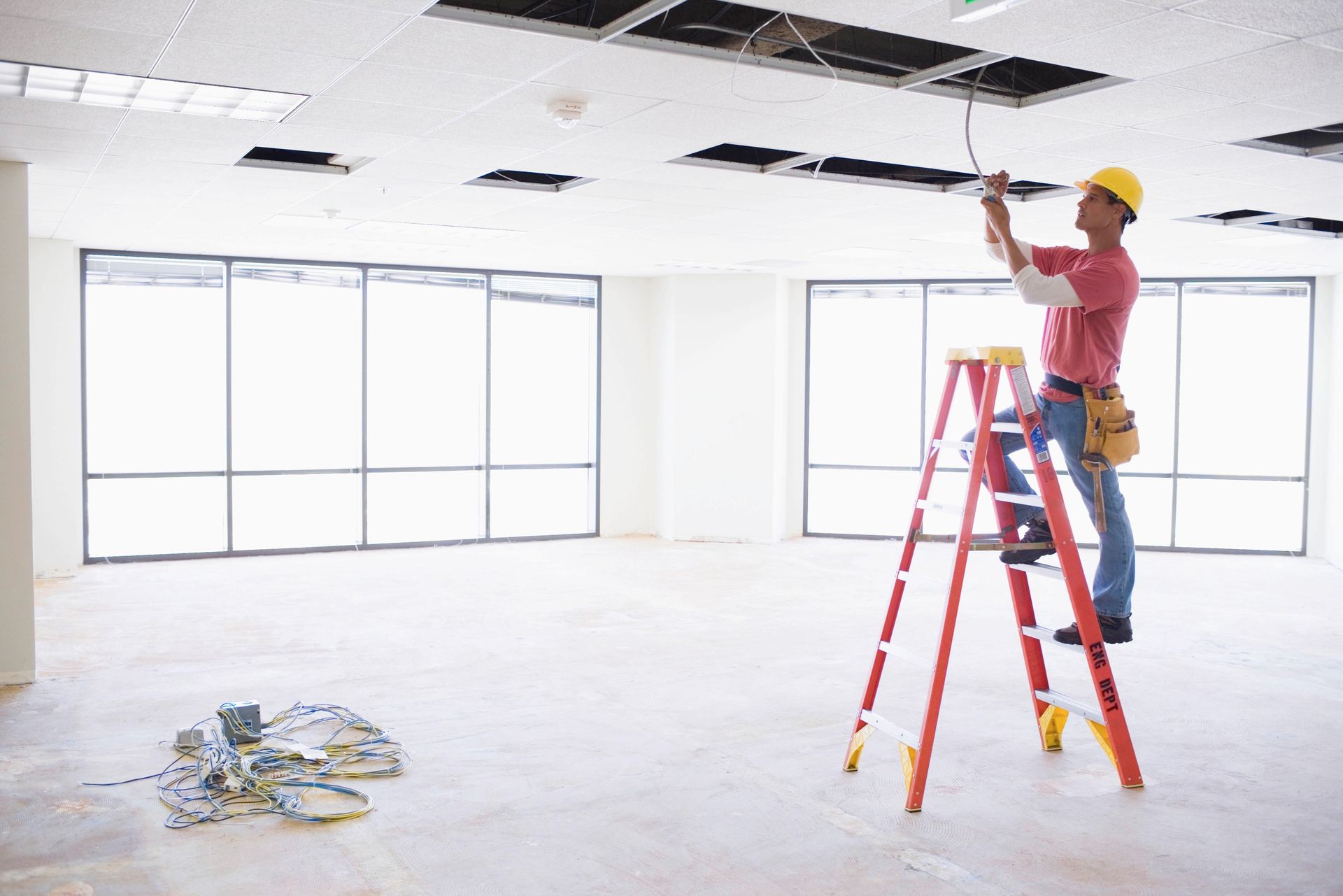
Electricity is essential for almost every aspect of daily life. From lighting up our homes to powering vital appliances, a reliable electrical system is non-negotiable. However, tackling electrical issues on your own can be both daunting and dangerous. This is why it is crucial to always work with professional electricians. Let's look at how their expertise ensures that your electrical systems are safe, efficient, and up to code.


Expertise

Professional electrical contractors possess specialized knowledge and extensive training. According to Forbes, apprentice electricians train for around four years and work alongside a licensed electrician. This long period of hands-on experience equips them with the skills needed to diagnose and repair electrical problems accurately. Unlike DIY efforts that often overlook crucial details, a professional ensures that every aspect of the electrical system is safely addressed.


Safety

Another significant advantage of hiring professional electricians is safety. Electrical work is inherently hazardous and can result in severe injuries or property damage if improperly handled. Professionals adhere to strict industry standards and local regulations, minimizing risks to your home and personal safety. They also have appropriate tools and safety equipment, which are often costly and complex for the average homeowner to acquire and use correctly.


Efficiency

Furthermore, working with professional electrical services can save you both time and money in the long run. Despite the initial investment, hiring a professional can prevent future expenses related to improper repairs or upgrades. Electrical contractors ensure all work meets regulatory standards, reducing the likelihood of future issues or failed inspections. With their expert insight, they can also recommend energy-efficient solutions that can lower your utility bills, providing long-term financial benefits.


Compliance

Professional electricians stay up-to-date with the latest electrical codes and regulations. This knowledge is crucial for ensuring that all electrical work in your home or business complies with local and national standards. Non-compliant electrical work can lead to failed inspections, hefty fines, and even legal issues in some cases. Moreover, if you're planning to sell your property in the future, having documented professional electrical work can be a significant selling point.


In conclusion, the importance of hiring professional electricians cannot be overstated. Their extensive training, commitment to safety, and capability to save you time and money make them indispensable. If you're looking for an experienced electrician, call Krislee Electric LLC today.
Why Should You Always Work With Professional Electricians?
commercial electricians
January 23, 2026
Commercial electricians perform detailed evaluations of energy use across systems to identify saving opportunities.
By 7016309225 January 17, 2026
Every time a circuit breaker trips in your home, it’s doing something incredibly important—protecting you and your electrical system from danger. But have you ever wondered where these little safety devices came from, or how we protected homes before they existed? Here’s a quick look at the evolution of electrical breakers, and why they’re one of the most important inventions in modern electrical safety. ⚙️ Before Breakers: The Age of Fuses (Late 1800s – Early 1900s) Before circuit breakers became common, homes used fuses to prevent electrical overloads. A fuse contains a thin wire that melts when too much current flows through it, stopping the circuit. The problem? Once a fuse blows, it has to be replaced—every single time. Fuses worked, but they were: Inconvenient Easy to install incorrectly Prone to over-fusing (dangerously replacing with a higher-rated fuse) ⚡ Enter the Breaker: Early 20th Century Innovation The concept of the resettable circuit breaker emerged in the early 1900s, offering a reusable, more reliable solution. The first patent for a circuit breaker came in 1924 by Hugo Stotz (working with Siemens), whose design used a bimetallic strip to detect overcurrent. Breakers gained popularity throughout the 1930s–50s, especially in industrial and commercial buildings. Why they caught on: Could be reset instead of replaced More precise at detecting electrical faults Better suited for growing electrical demands 🏠 Breakers in the Modern Home (1960s–Present) By the 1960s and 70s, circuit breakers became the standard in new residential construction across the U.S. and many parts of the world, replacing fuse boxes entirely. Modern home panels include: Standard breakers – for basic overcurrent protection GFCI breakers – to protect against shock (especially near water) AFCI breakers – to prevent electrical fires from arc faults Dual-function breakers – offering both GFCI and AFCI protection These advanced breakers are required by modern electrical codes in many areas, and they’ve drastically reduced electrical fires and injuries. 🔌 Why Breakers Matter More Than Ever Today’s homes use far more electricity than they did 50 years ago. With more appliances, electronics, EV chargers, and smart tech, the demand on your electrical panel is greater than ever. Circuit breakers are the unsung heroes, silently monitoring every circuit to: Prevent overloads Stop short circuits Protect people and property 🧑‍🔧 Should You Upgrade Your Breaker Panel? If your home still has an old fuse box or outdated breaker panel, it might be time for an upgrade—especially if you’re: Experiencing frequent tripped breakers (check out our blog about troubleshooting electrical circuit tripping ) Adding new appliances or renovations Living in a home over 30–40 years old Find you need to upgrade your panel? Give us a call and we can give you a free estimate to upgrade your electrical panel
By 7016309225 December 17, 2025
Noticing your lights flickering lately? Whether it's just a quick blink or a persistent issue, flickering lights aren't something to ignore. While some causes are harmless, others can be a sign of a much bigger electrical problem lurking behind your walls. We believe in addressing electrical issues early—before they turn into safety hazards. Here’s what flickering lights could mean, and when it’s time to call in a professional: ⚠️ Loose or Faulty Bulbs Let’s start simple. Sometimes, flickering is just a matter of: A loose bulb in the socket An incompatible bulb, especially with dimmer switches A bad connection between the bulb and socket contacts 🛠️ Try turning the bulb off, tightening it, or replacing it with a fresh one. If the problem stops—great! If not, keep reading. ⚡Overloaded Circuits Do your lights dim or flicker when you run the microwave, HVAC system, or vacuum cleaner? This could mean: A circuit is overloaded and struggling to supply enough power Your electrical panel may be undersized or outdated for your current energy needs ⚡ Solution: An electrician can evaluate your system and recommend upgrades, such as a panel replacement or circuit expansion. 🔌Faulty Switches or Loose Wiring Flickering in a single fixture—especially when touched or adjusted—may point to: A loose connection in the light switch Frayed or deteriorating wires behind the wall A faulty fixture that’s wearing out 🔥 Loose wires can generate heat and even lead to electrical fires—don’t delay an inspection if this sounds familiar. 🏡 Whole-House Flickering Lights flickering throughout your home? This could signal: Issues with your electrical panel or main service line A failing main breaker Problems with the utility company’s supply line This is a more serious issue that requires a licensed electrician’s immediate attention. ⚠️ Never ignore widespread flickering—it’s often a sign of a potentially dangerous voltage problem. 🌩️Power Grid Fluctuations or Storm Impact Sometimes flickering comes from outside your home. Storms, power line damage, or utility equipment issues can all cause fluctuations in your service. We have a blog about how to set your house up for stormy weather. Check it out here ! While these may resolve on their own, frequent or prolonged issues should still be evaluated to protect sensitive electronics and ensure safety. 🧑‍🔧 When to Call a Pro If flickering lights happen often, are unpredictable, or are accompanied by: Burning smells Buzzing from outlets or panels Warm switches or outlets Tripping breakers 👉 It’s time to call a licensed electrician.
More Posts →