
What Causes the Need for Electrical Repair?
Modern homes, offices, and manufacturing facilities depend on steady, well-maintained electrical systems every hour of the day. From powering household appliances and LED lighting upgrades to running heavy commercial equipment, electricity supports nearly every routine activity. Yet electrical components work quietly behind walls, ceilings, and utility rooms, making it easy to overlook gradual wear until a sudden failure disrupts daily operations. Recognizing what leads to electrical repair helps property owners address minor issues early before they escalate into serious safety hazards, extensive equipment damage, fire risks, or costly operational downtime.
Most electrical problems do not happen without warning. Instead, they develop gradually through a combination of aging infrastructure, rising power consumption, environmental stress, and improper installation practices. Whether a building requires residential electrical services, commercial electrical services, or industrial electrical services, understanding the root causes behind system failures empowers owners to schedule timely inspections, plan necessary upgrades, and keep their electrical networks operating safely, reliably, and efficiently throughout every season.
Outdated Electrical Panels and Service Capacities
One of the most frequent reasons property owners call for professional electrical repair is an outdated electrical panel that can no longer handle modern energy demands. Decades ago, homes and small commercial buildings were built with far fewer appliances, electronics, and climate control systems in mind. Today, central air conditioning, kitchen appliances, home offices, and entertainment systems draw substantial power simultaneously, pushing older service panels well past their original design limits and straining main breakers every single day.
According to This Old House, aging homes frequently experience electrical issues because their systems generally run on 60-amp to 100-amp service. When an undersized panel is forced to supply modern electrical loads, circuit breakers trip repeatedly, fuses blow, and internal bus bars overheat. Over time, persistent thermal stress weakens breaker mechanisms, damages insulation on feeder cables, and creates serious fire risks. In these situations, licensed electricians often recommend electrical panel upgrades alongside targeted component replacements so the property can distribute electricity safely and reliably without recurring interruptions.
Damaged Wiring and Deteriorating Insulation
Electrical wiring is designed to last for many years, but it is not immune to physical wear and environmental deterioration. Inside walls, attics, basements, and crawl spaces, wire insulation gradually dries out, cracks, or becomes brittle due to decades of heat cycles and seasonal humidity changes. Rodents and other pests can also chew through protective sheathing, exposing live conductors to wood framing, attic insulation, or metal ductwork.
Building settling, structural vibration, and past moisture leaks further accelerate wiring damage in both homes and commercial facilities. When bare or frayed wires make unintended contact, short circuits and dangerous arc faults occur, often signaled by flickering lights, warm wall surfaces, or a faint burning odor near switches and receptacles. Resolving these hazards requires thorough electrical troubleshooting followed by professional electrical repair, targeted renovation wiring, or full home rewiring when outdated conductors span an entire structure and threaten long-term building safety.
Overloaded Circuits and Growing Power Demands
Even when an electrical panel has adequate overall capacity, individual branch circuits frequently become overloaded as households and businesses add new devices. Plugging multiple high-wattage appliances, space heaters, computers, or commercial machinery into a single circuit forces conductors to carry more current than they were rated to support. Continuous overloads generate excess heat inside walls and junction boxes, degrading wire insulation, loosening terminal connections, and weakening internal breaker contacts over time.
In commercial offices and industrial facilities, adding production machinery, powering up an IDF cabinet, or expanding workspaces without reconfiguring circuits quickly strains existing lines. Professional energy use evaluations help business owners identify where circuits are nearing capacity before unexpected failures occur. When an overloaded circuit trips repeatedly, dims nearby fixtures, or scorches a receptacle, prompt electrical repair and the addition of dedicated circuits restore safe, balanced power distribution across the entire property while protecting sensitive equipment from voltage drops.
Faulty Outlets and Loose Connections
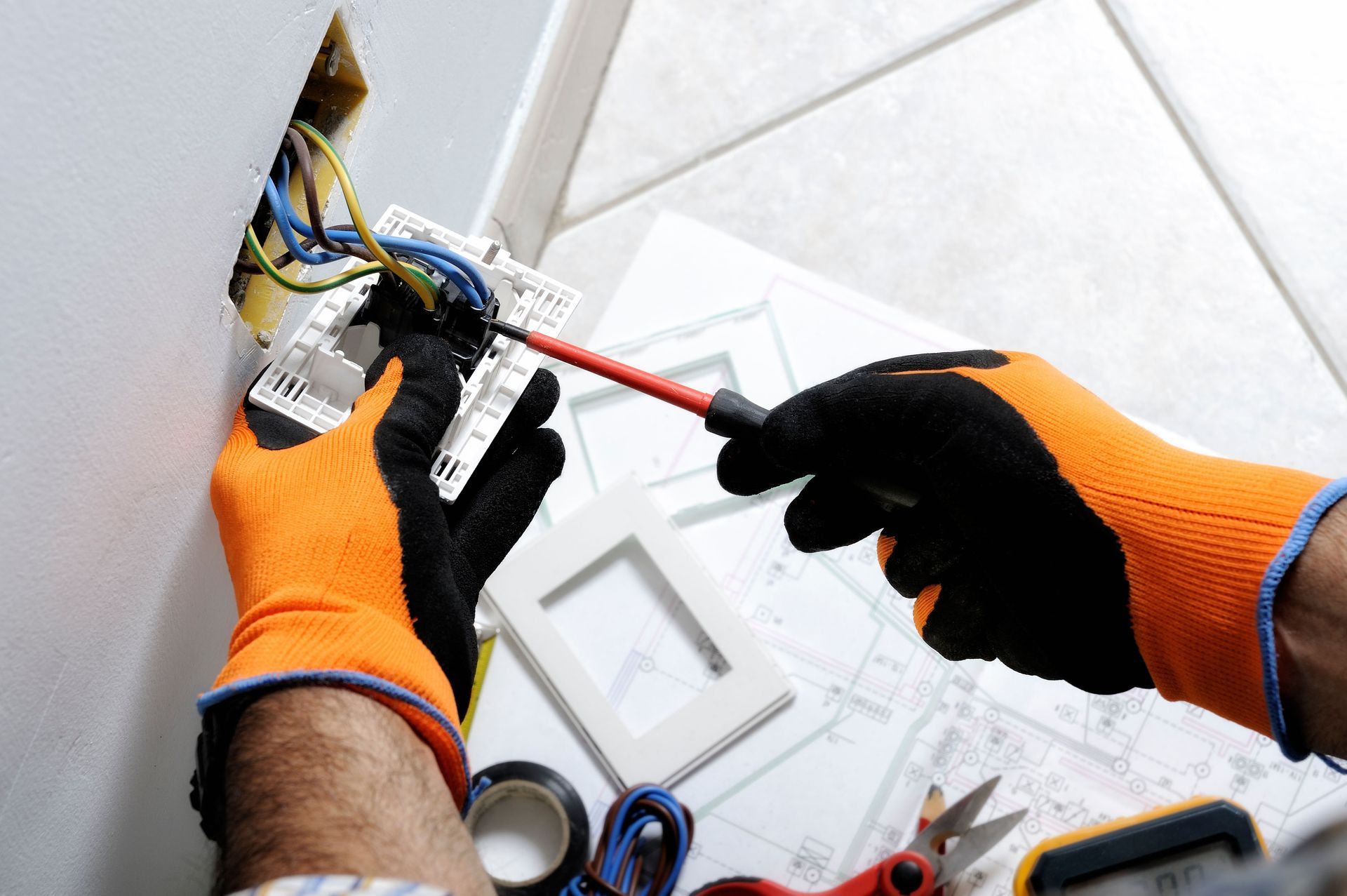
Outlets and wall switches experience direct mechanical wear every single day. Each time a plug is inserted or removed, internal metal contacts flex slightly, and over thousands of cycles, those contacts lose their grip tension. Loose terminal screws behind receptacles or inside junction boxes also create high-resistance points where electricity struggles to flow smoothly, generating localized heat, voltage fluctuations, and intermittent power loss across connected devices.
Worn receptacles often feel loose when holding a plug, emit faint buzzing sounds, or show dark scorch marks on the faceplate. Furthermore, kitchens, bathrooms, garages, basements, and outdoor areas require properly functioning ground fault circuit interrupters (GFCIs) to protect people from electrical shock around water and damp surfaces. When outlets fail to reset, produce sparks, or lose power altogether, scheduling electrical repair prevents dangerous arcing faults from damaging sensitive connected electronics, ruining appliances, or igniting nearby building materials.
Severe Weather and Sudden Power Surges
External environmental events are another major driver of unexpected electrical damage across residential and commercial properties. Severe thunderstorms, lightning strikes, high winds, and utility grid switching can send sudden voltage spikes surging through incoming power lines. Even smaller internal surges caused when heavy industrial motors or large HVAC units cycle on and off gradually wear down sensitive circuit boards, lighting installations, and electronic control components over months of regular operation.
Without proper protection, a single major power surge can ruin household appliances, damage breaker panels, and compromise fire alarm, data, and telephone wiring. Installing quality surge protectors and whole-house surge protection helps divert excess voltage safely to the ground before it reaches valuable equipment. Additionally, pairing surge protection with standby generators and routine generator maintenance keeps essential systems running during extended grid outages, while post-storm electrical repair quickly addresses any damaged circuits or components left behind by severe weather.
Improper Installations and Neglected Equipment
Human error and deferred maintenance account for a significant share of preventable electrical failures. Unpermitted do-it-yourself modifications, mismatched wire gauges, reversed polarity, and poorly secured splices left outside junction boxes create hidden vulnerabilities that may go unnoticed for years. Similarly, commercial and industrial properties that skip routine inspections risk unexpected breakdowns in high bay lights, under cabinet lights, transformers, and heavy machinery power connections during peak operating hours.
When electrical systems are installed without strict adherence to safety codes, components wear out faster and fail under normal operating loads. Whether a property is undergoing new construction electrical work or updating existing infrastructure, working with a licensed master electrician ensures every connection meets current safety standards. When neglected equipment fails unexpectedly in a facility, emergency commercial and industrial services and timely electrical repair help restore facility operations quickly while eliminating ongoing electrical safety hazards.
Understanding what causes electrical failures makes it easier to spot warning signs early and protect both people and property. Outdated panels, deteriorating wiring, overloaded circuits, worn outlets, sudden power surges, and improper installations all place unnecessary strain on an electrical system. Addressing flickering lights, frequently tripping breakers, or warm outlets right away prevents minor component wear from turning into severe structural damage, costly replacements, or extended business interruptions. By investing in proactive inspections, code-compliant upgrades, and skilled workmanship across residential, commercial, and industrial properties, owners can keep their electrical infrastructure dependable year-round and avoid sudden emergencies. To schedule an inspection, request a project estimate, or arrange dependable electrical service for your home or business, contact Krislee Electric LLC.
Share On: