
Should I invest in a standby generator?

7016309225 • June 12, 2024

Why you should invest in a standby generator
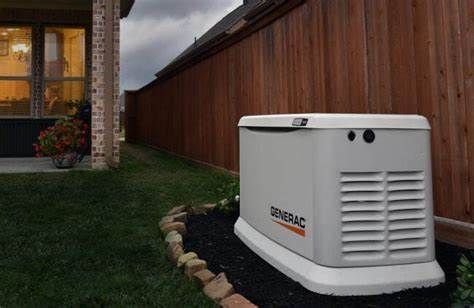
In today's fast-paced world, uninterrupted access to electricity is more essential than ever. From keeping the lights on during storms to ensuring critical appliances stay operational during power outages, having a reliable source of backup power can make all the difference. Enter the standby generator – a powerful and dependable solution for safeguarding your home or business against the inconvenience and disruption of blackouts. In this blog post, we'll explore the compelling reasons why investing in a standby generator is a smart choice for homeowners and businesses alike.


Continuous Power Supply:


The primary advantage of a standby generator is its ability to provide a seamless and continuous supply of electricity during power outages. Unlike portable generators that require manual setup and fueling, standby generators are permanently installed outside your home or business and automatically kick in within seconds of a power outage. This uninterrupted power supply ensures that essential appliances, such as refrigerators, heating systems, and medical equipment, remain operational, keeping you comfortable and safe during emergencies.


Protection Against Property Damage:


Power outages can pose a significant risk to your property, especially during extreme weather events such as hurricanes, blizzards, or heatwaves. A standby generator helps mitigate these risks by keeping critical systems running, such as sump pumps to prevent basement flooding, security systems to deter intruders, and climate control systems to protect against temperature extremes. By maintaining power continuity, a standby generator can help safeguard your home or business from costly damage and potential insurance claims.


Business Continuity and Productivity:


For businesses, uninterrupted power supply is vital for maintaining operations, preserving data integrity, and ensuring customer satisfaction. A standby generator allows businesses to continue serving customers, processing transactions, and operating essential equipment even during power outages. This continuity helps minimize downtime, preserve productivity, and protect revenue streams, giving businesses a competitive edge and peace of mind.


Enhanced Comfort and Convenience:


Beyond essential functions, a standby generator enhances your comfort and convenience by keeping everyday amenities operational during outages. From powering lights and appliances to maintaining internet connectivity and entertainment systems, a standby generator ensures that you can maintain your normal lifestyle without disruption. Whether it's preparing meals, staying connected with loved ones, or simply staying comfortable during inclement weather, a standby generator adds a layer of convenience to your daily life.


Increased Property Value:


Investing in a standby generator is not just about immediate benefits – it's also a valuable long-term investment that can increase the resale value of your property. Homes and businesses equipped with standby generators are highly desirable to potential buyers, especially in areas prone to frequent power outages or extreme weather conditions. Having a reliable backup power solution already in place can make your property more attractive to prospective buyers and may even justify a higher selling price.


A standby generator is more than just a backup power source – it's a reliable lifeline that provides peace of mind, protection, and convenience when you need it most. Whether you're weathering a storm, keeping your business running smoothly, or simply maintaining comfort and security at home, a standby generator ensures that you're prepared for whatever challenges come your way. With its ability to deliver uninterrupted power supply, protect against property damage, preserve business continuity, enhance comfort and convenience, and increase property value, investing in a standby generator is a wise decision that pays dividends for years to come.


Click here to read about proper generator maintenance.


Call us today to get a quote on a standby generator for your needs.
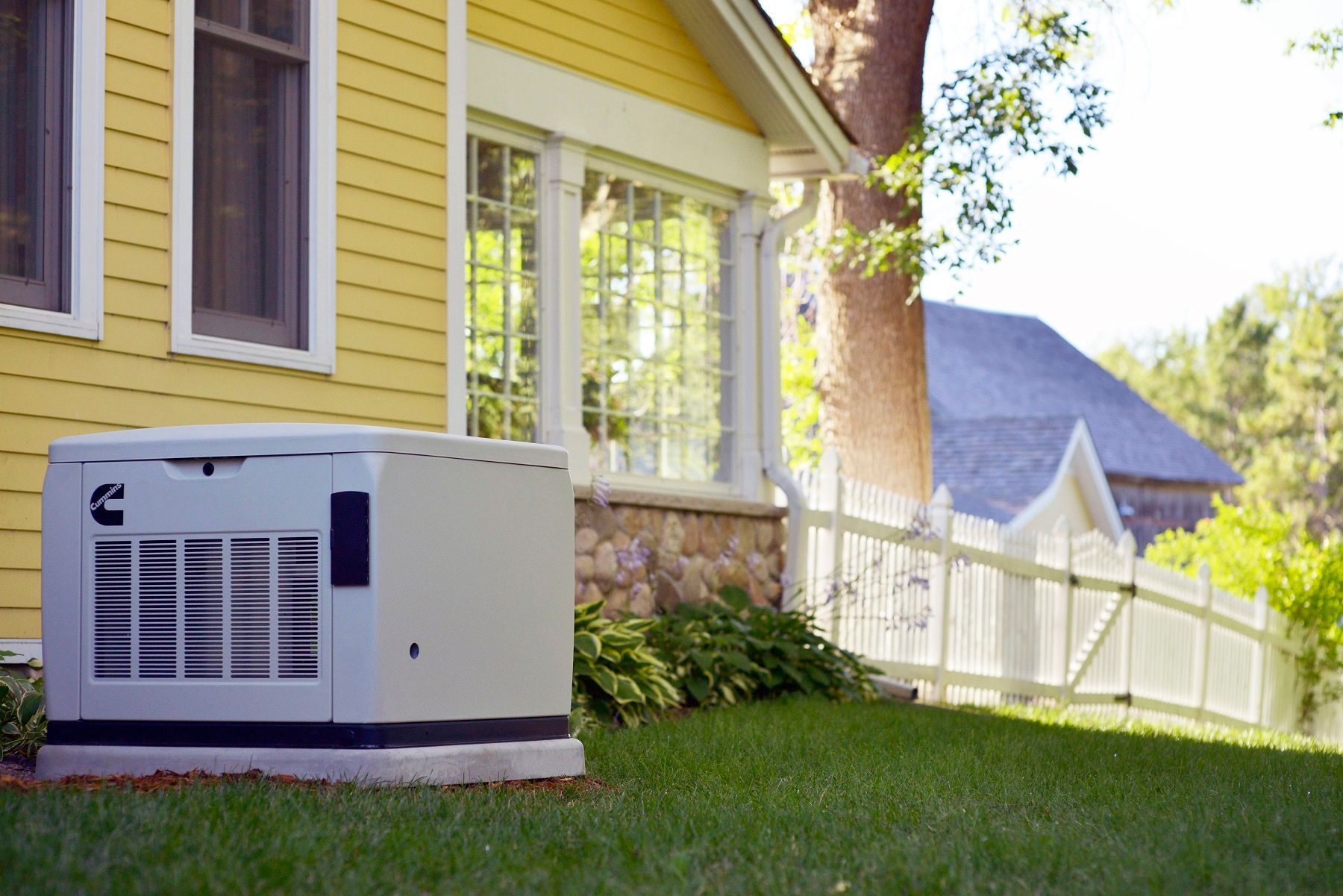
Should I invest in a standby generator?
commercial electricians
January 23, 2026
Commercial electricians perform detailed evaluations of energy use across systems to identify saving opportunities.
By 7016309225 January 17, 2026
Every time a circuit breaker trips in your home, it’s doing something incredibly important—protecting you and your electrical system from danger. But have you ever wondered where these little safety devices came from, or how we protected homes before they existed? Here’s a quick look at the evolution of electrical breakers, and why they’re one of the most important inventions in modern electrical safety. ⚙️ Before Breakers: The Age of Fuses (Late 1800s – Early 1900s) Before circuit breakers became common, homes used fuses to prevent electrical overloads. A fuse contains a thin wire that melts when too much current flows through it, stopping the circuit. The problem? Once a fuse blows, it has to be replaced—every single time. Fuses worked, but they were: Inconvenient Easy to install incorrectly Prone to over-fusing (dangerously replacing with a higher-rated fuse) ⚡ Enter the Breaker: Early 20th Century Innovation The concept of the resettable circuit breaker emerged in the early 1900s, offering a reusable, more reliable solution. The first patent for a circuit breaker came in 1924 by Hugo Stotz (working with Siemens), whose design used a bimetallic strip to detect overcurrent. Breakers gained popularity throughout the 1930s–50s, especially in industrial and commercial buildings. Why they caught on: Could be reset instead of replaced More precise at detecting electrical faults Better suited for growing electrical demands 🏠 Breakers in the Modern Home (1960s–Present) By the 1960s and 70s, circuit breakers became the standard in new residential construction across the U.S. and many parts of the world, replacing fuse boxes entirely. Modern home panels include: Standard breakers – for basic overcurrent protection GFCI breakers – to protect against shock (especially near water) AFCI breakers – to prevent electrical fires from arc faults Dual-function breakers – offering both GFCI and AFCI protection These advanced breakers are required by modern electrical codes in many areas, and they’ve drastically reduced electrical fires and injuries. 🔌 Why Breakers Matter More Than Ever Today’s homes use far more electricity than they did 50 years ago. With more appliances, electronics, EV chargers, and smart tech, the demand on your electrical panel is greater than ever. Circuit breakers are the unsung heroes, silently monitoring every circuit to: Prevent overloads Stop short circuits Protect people and property 🧑‍🔧 Should You Upgrade Your Breaker Panel? If your home still has an old fuse box or outdated breaker panel, it might be time for an upgrade—especially if you’re: Experiencing frequent tripped breakers (check out our blog about troubleshooting electrical circuit tripping ) Adding new appliances or renovations Living in a home over 30–40 years old Find you need to upgrade your panel? Give us a call and we can give you a free estimate to upgrade your electrical panel
By 7016309225 December 17, 2025
Noticing your lights flickering lately? Whether it's just a quick blink or a persistent issue, flickering lights aren't something to ignore. While some causes are harmless, others can be a sign of a much bigger electrical problem lurking behind your walls. We believe in addressing electrical issues early—before they turn into safety hazards. Here’s what flickering lights could mean, and when it’s time to call in a professional: ⚠️ Loose or Faulty Bulbs Let’s start simple. Sometimes, flickering is just a matter of: A loose bulb in the socket An incompatible bulb, especially with dimmer switches A bad connection between the bulb and socket contacts 🛠️ Try turning the bulb off, tightening it, or replacing it with a fresh one. If the problem stops—great! If not, keep reading. ⚡Overloaded Circuits Do your lights dim or flicker when you run the microwave, HVAC system, or vacuum cleaner? This could mean: A circuit is overloaded and struggling to supply enough power Your electrical panel may be undersized or outdated for your current energy needs ⚡ Solution: An electrician can evaluate your system and recommend upgrades, such as a panel replacement or circuit expansion. 🔌Faulty Switches or Loose Wiring Flickering in a single fixture—especially when touched or adjusted—may point to: A loose connection in the light switch Frayed or deteriorating wires behind the wall A faulty fixture that’s wearing out 🔥 Loose wires can generate heat and even lead to electrical fires—don’t delay an inspection if this sounds familiar. 🏡 Whole-House Flickering Lights flickering throughout your home? This could signal: Issues with your electrical panel or main service line A failing main breaker Problems with the utility company’s supply line This is a more serious issue that requires a licensed electrician’s immediate attention. ⚠️ Never ignore widespread flickering—it’s often a sign of a potentially dangerous voltage problem. 🌩️Power Grid Fluctuations or Storm Impact Sometimes flickering comes from outside your home. Storms, power line damage, or utility equipment issues can all cause fluctuations in your service. We have a blog about how to set your house up for stormy weather. Check it out here ! While these may resolve on their own, frequent or prolonged issues should still be evaluated to protect sensitive electronics and ensure safety. 🧑‍🔧 When to Call a Pro If flickering lights happen often, are unpredictable, or are accompanied by: Burning smells Buzzing from outlets or panels Warm switches or outlets Tripping breakers 👉 It’s time to call a licensed electrician.
More Posts →